
Can sleep apnea exercises actually stop snoring?
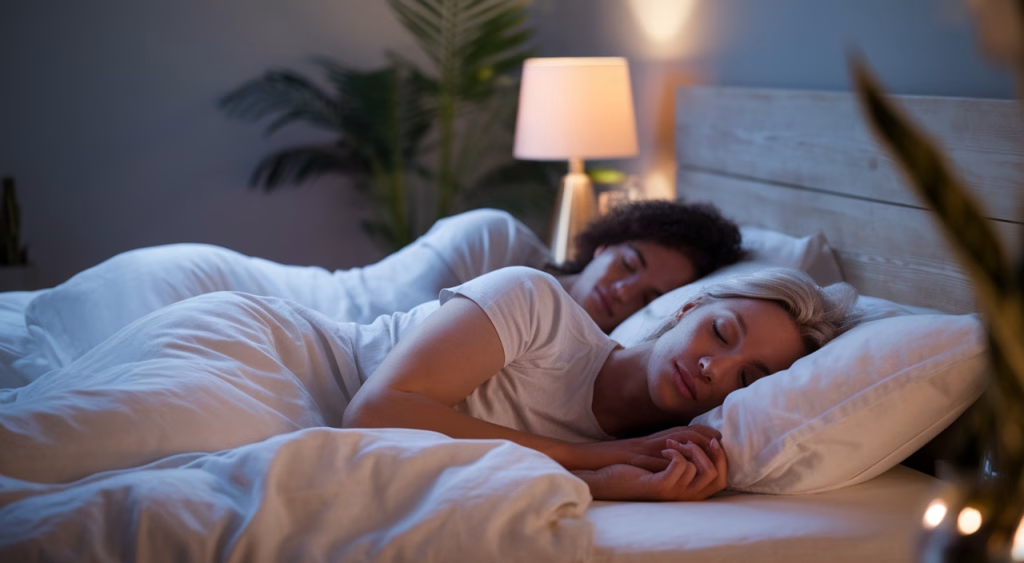
Yes, sleep apnea exercises can significantly reduce snoring by strengthening the muscles of your airway. When you practice these targeted exercises consistently, you help open the throat, improve breathing, and reduce sleep disruptions—making them an excellent natural option to manage sleep apnea effectively.
TL;DR Summary
- Build stronger airway muscles: Targeted sleep apnea exercises for the tongue, throat, and jaw help prevent airway collapse.
- Reduce snoring naturally: Daily routines improve airflow and eliminate the vibrations that cause snoring.
- Support with lifestyle changes: Small adjustments in diet, sleep hygiene, and consistency maximize results when you manage sleep apnea naturally.
- Easy at-home options: These sleep apnea exercises at home don’t require special equipment or gym memberships.
1. Understanding Sleep Apnea and Snoring
1.1 What Causes Sleep Apnea?
Sleep apnea occurs when the muscles in your throat relax too much during sleep, leading to blocked airflow. This repeated pause in breathing disrupts your rest, causes oxygen drops, and contributes to major health problems over time. People who suffer from this condition often feel exhausted even after a “full” night of sleep.
It’s like trying to drink through a squished straw—no matter how hard you try, the air just can’t get through properly.
1.2 The Link Between Sleep Apnea and Snoring
Snoring is often the first warning sign of obstructive sleep apnea. When airflow is partially blocked, the air vibrates tissue in the throat, producing sound—snoring. While not every snorer has sleep apnea, the two are deeply connected. If your snoring is loud, frequent, and involves gasping or choking sounds, there’s a good chance sleep apnea is involved and you should start learning how to reduce snoring through targeted exercises.
2. Importance of Exercise in Managing Sleep Apnea
2.1 Benefits of Strengthening Airway Muscles
Most people don’t realize the throat contains over 20 muscles—tiny but mighty—that hold your airway open. Over time, they weaken due to age, weight, or poor posture, making the airway more prone to closing during sleep.
Strong throat muscles act like scaffolding—holding everything up so air can flow freely. Much like we train our arms and legs, we can use airway muscle strengthening techniques to support breathing. This is where sleep apnea exercises come in.
2.2 How Exercise Helps Reduce Snoring
Targeted airway muscle strengthening exercises can dramatically reduce snoring. These routines firm up soft tissue that collapses and vibrates, minimizing sound and keeping your airway open. The result? Deeper, quieter sleep—for you and your sleeping partner.
And the best part? These sleep apnea exercises are completely natural, non-invasive, and cost-effective when done consistently.
3. Top Exercises for Alleviating Sleep Apnea and Snoring
3.1 Tongue Strengthening Exercises
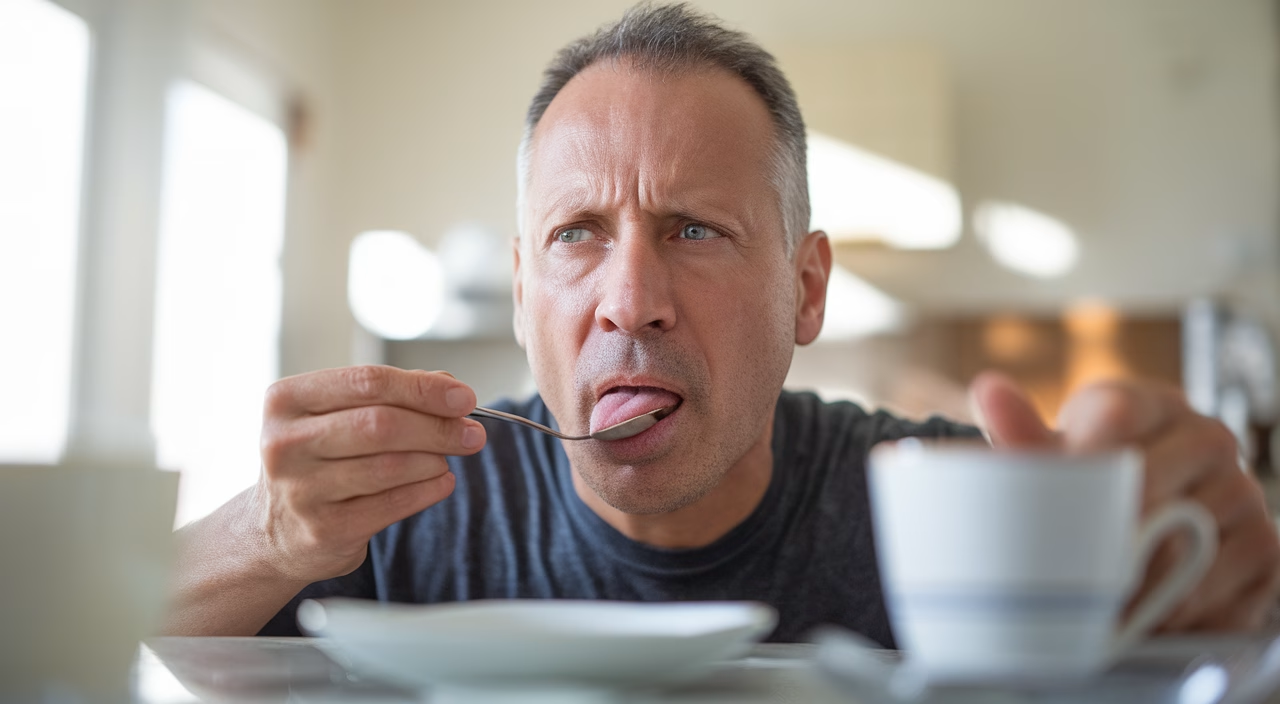
Your tongue plays a major role in keeping the airway open. Weak tongue muscles can fall backward during sleep, blocking airflow. These tongue exercises for sleep apnea will help you strengthen this crucial muscle:
- Tongue Press: Press your tongue firmly against the roof of your mouth and hold for five seconds. Repeat 10 times.
- Tongue Slide: With your tongue flat against the roof of your mouth, slide it backward as far as possible. Repeat 10 times.
- Tip Touch: Extend your tongue out and try to touch your chin and nose alternately.
These tongue exercises for sleep apnea may feel strange at first, but with daily practice, you’ll notice improved muscle tone and easier breathing at night.
3.2 Throat Opening Techniques
Efficient throat opening prevents vibrations that lead to annoying snoring. These effective throat exercises for snoring target the pharyngeal muscles and help you manage sleep apnea naturally:
- Vowel Practice: Slowly and widely say “AH-EH-EE-OH-OO.” Repeat this sequence 10 times. This stimulates and tones the throat muscles controlling your upper airway.
- Singing: Practicing scales strengthens vocal muscles and opens your throat. Aim for deep, steady tones.
- Gargling: Gargle water for 30 seconds before bed daily. This activates back-of-throat muscles and enhances tone.
3.3 Jaw Muscle Strengthening Workouts
Your jaw also contributes to airway function. Misalignment or low muscle tone can create obstructions. Focus on these jaw muscle workouts as part of your sleep apnea exercises at home:
- Jaw Slide: Move your jaw side to side in a slow, controlled motion. Repeat 10 times.
- Mouth Hold: Place a finger between your molars and gently press as you resist the pressure. Great for jaw stability.
- Chew Simulation: Mimic the motion of chewing something tough (like gum) for 2 minutes, keeping lips closed.
4. Lifestyle Changes to Support Exercise Efforts
4.1 Diet and Nutrition Tips for Better Sleep
What and when you eat directly impacts airway health. Heavy meals, alcohol, or sugar before bed can increase snoring by relaxing your throat muscles. When you’re working to reduce snoring through exercise, consider these supporting tips:
- Lose excess weight: Excess neck fat can narrow the airway.
- Anti-inflammatory foods: Eat leafy greens, berries, and omega-3-rich foods to reduce airway swelling.
- Stay hydrated: Dry tissue is more likely to vibrate and cause sound.
4.2 Sleep Hygiene Practices for Sleep Apnea Management
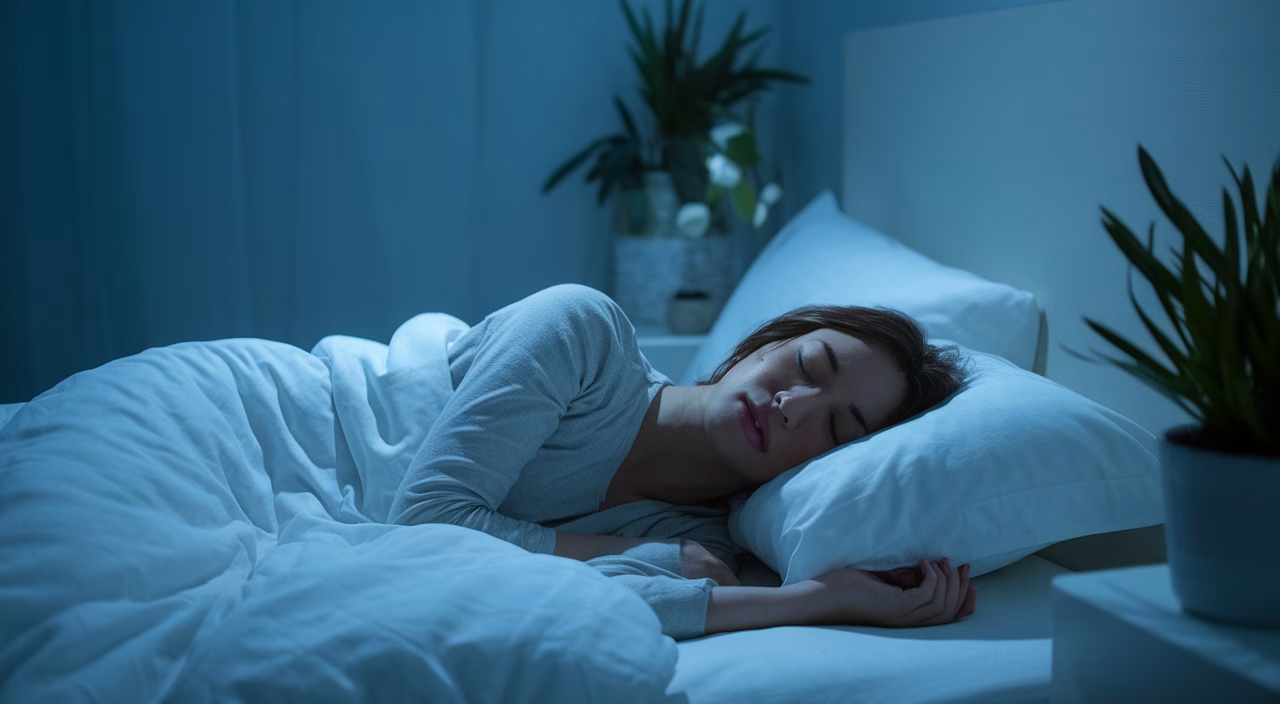
Sleep hygiene isn’t just about comfort—it’s essential when you manage sleep apnea naturally. Here’s what helps maximize your sleep apnea exercises:
- Consistent sleep schedule: Set one bedtime and wake-up time—even on weekends.
- Sleep on your side: Back sleeping invites tongue and soft tissue collapse; side sleeping keeps airways open.
- Dark, cool bedroom: A calm environment supports deeper rest.
These simple nightly rituals, combined with airway muscle strengthening exercise, significantly reduce symptoms and help you breathe easier.
5. Staying Consistent with Your Exercise Routine
Here’s the truth: Consistency matters more than perfection with sleep apnea exercises. Just like going to the gym for body strength, these exercises work only if you commit long-term. Set a reminder, make it part of your oral hygiene routine, or partner with your spouse as motivation.
In practice, most people feel improvements within 3–6 weeks of regular sleep apnea exercises at home. Set manageable goals, and track your snoring with a sleep diary or app. Even five minutes a day can change the quality of your sleep—and your life.
Cost Guide
| Category | Description | Estimated Monthly Cost |
|---|---|---|
| At-home exercises | Free daily practice | $0 |
| App subscriptions | Optional guided sleep or breathing app | $5–$20 |
| Consult with sleep therapist | Professional coaching (optional) | $50–$200 |
Final Thought
If you’ve been searching for a way to reduce snoring or manage sleep apnea naturally, don’t overlook the power of simple, focused sleep apnea exercises. These routines won’t replace medical interventions in severe cases, but they offer a safe, accessible, and empowering option to begin your path to better breathing and restful nights. Start your sleep apnea exercises at home today, stay consistent, and let your body show you the results.
Frequently Asked Questions
How to stop snoring when breathing?
Strengthen the muscles that control airflow using daily sleep apnea exercises such as tongue presses, throat vowel training, and jaw stretches. These effective throat exercises for snoring reinforce the airway and reduce snoring caused by relaxed or vibrating muscles.
Can I really control sleep apnea with exercises alone?
Mild to moderate cases often improve with consistent airway muscle strengthening exercises. However, severe cases should also involve medical evaluation alongside your sleep apnea exercises.
How long before I see results from sleep apnea exercises?
Many people begin noticing less snoring and better sleep after 3–6 weeks of daily practice with their sleep apnea exercises at home.
Are jaw workouts safe to do every day?
Yes, as long as they’re gentle and you’re not experiencing jaw pain or TMJ issues. Stop if discomfort occurs during your jaw muscle workouts.
Do I need equipment for these exercises?
No special tools are needed. These are truly effective sleep apnea exercises at home—just use your body and commitment to reduce snoring naturally.
Will losing weight help reduce my symptoms?
Yes, managing neck and upper body fat can greatly reduce airway blockage during sleep and enhance your sleep apnea exercises results.
Is snoring always a sign of sleep apnea?
No, but loud, frequent snoring accompanied by choking, gasping, or fatigue likely points to sleep apnea and indicates you should start airway muscle strengthening exercises.