
Ever Wondered Why Sinus Issues Make You Snore?
If you’ve noticed that your snoring congested episodes worsen when you have a stuffy nose, you’re not imagining things. The root cause often comes down to a condition known as a snoring sinus problem. When your nasal passages are blocked—even partially—air struggles to move freely through your nose. This resistance forces your body to breathe through your mouth, increasing the chances of blocked nasal passages snoring due to relaxed throat muscles and tissue vibration.
TL;DR Summary
- Sinus problems such as chronic congestion, infections, and structural blockages can directly cause or worsen snoring.
- When your nose is blocked, you’re forced to breathe through your mouth—raising the chance of throat vibration, which leads to snoring.
- Common culprits include sinusitis, allergies, deviated septum, or nasal polyps—all treatable with medical or at-home options.
- Natural approaches like steam inhalation, saline rinses, and anti-inflammatory diets may help alleviate sinus-related snoring naturally.
- Choosing the right pillow and improving bedroom humidity can also ease breathing and reduce night-time noise.
Understanding Nasal Congestion and Its Effects on Breathing
Nasal congestion snoring is more than an annoying stuffy nose—it’s a significant roadblock for normal breathing during sleep. When congestion persists, it causes turbulent airflow, especially through the upper airway, increasing the likelihood of tissue vibration in the soft palate—what we recognize as snoring.
Think of your nose like a highway. When the highway is blocked, traffic (air) is forced to find an alternate route—your mouth. But your mouth isn’t designed for efficient breathing during sleep. This not only increases the risk of blocked nasal passages snoring but can affect oxygen intake and disrupt sleep cycles, leading to daytime fatigue and even long-term health consequences.
The Mechanics of Snoring When Congested
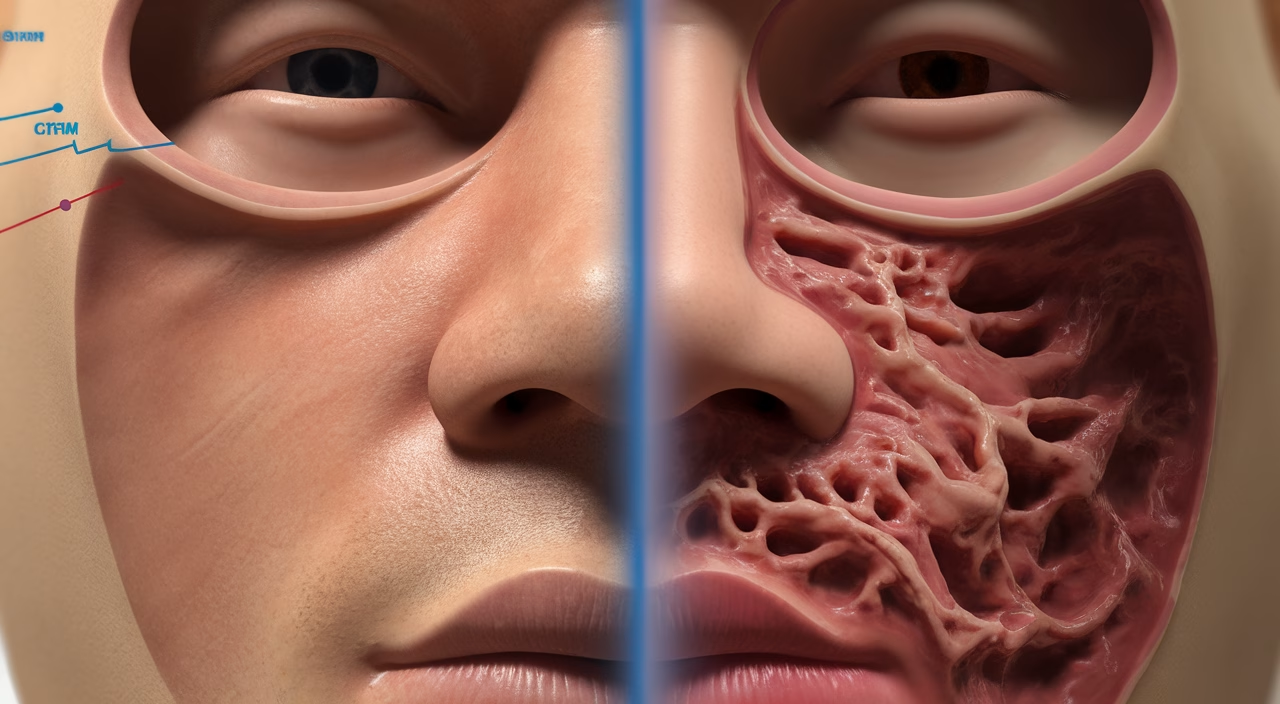
- Obstructed airflow: Blocked nasal passages decrease airflow speed, causing vibration in throat tissues.
- Mouth breathing: Mouth breathing promotes airway collapse in the soft palate and uvula area.
- Negative pressure: When the nasal valve is compromised, more negative pressure is created in the airway, increasing snoring frequency.
The Connection Between Sinus Infections and Snoring
Let’s talk about what happens when sinus infections—whether chronic or acute—enter the picture. A snoring sinus problem often begins with inflamed sinus linings that swell and trap mucus. This stagnation becomes fertile ground for bacteria, leading to further inflammation and ongoing blockage.
- Sinusitis snoring: With swollen sinus tissues, nasal airflow is reduced or blocked entirely, increasing the chance of mouth breathing and snoring.
- Sinus congestion sleep issues: Waking up repeatedly with dry mouth, pressure around your cheeks or eyes, or facial tenderness? These are classic indicators that your sinus congestion is disrupting your sleep quality.
- Snoring due to sinus infection: Even temporary infections can result in loud and problematic snoring if not addressed properly.
In clinical settings, we often see patients with recurrent bouts of sinus infection reporting fragmented sleep, excessive snoring, and worsening daytime sleepiness over time.
Treatment Options for Sinus-Related Snoring
The good news is: nasal congestion snoring is manageable. Whether you’re dealing with occasional congestion or a chronic condition, here are several proven avenues you can explore.
Medical Treatments
- Nasal corticosteroids: These sprays reduce inflammation and open nasal passageways.
- Decongestants: Best for short-term use during allergy season or colds, but not recommended for prolonged periods.
- Antihistamines: Target allergies—a significant factor in ongoing congestion and snoring.
- Surgical interventions: Procedures like sinus surgery, turbinate reduction, or balloon sinuplasty can offer long-term relief in chronic cases.
Natural Remedies for Sinus-Related Snoring
- Steam inhalation: Helps thin and loosen mucus, easing nasal blockage naturally.
- Saline rinses/neti pot: Clears mucus and allergens from nasal canals effectively.
- Humidifier use: Prevents dryness and supports healthier nasal membranes during sleep.
- Anti-inflammatory diet: Foods rich in omega-3s, turmeric, and ginger may help reduce general sinus inflammation.
Cost Guide: Managing Sinus and Snoring Treatments
| Treatment | Low-End | Mid-Range | High-End |
|---|---|---|---|
| Over-the-Counter Remedies (sprays, saline) | $10 | $30 | $50 |
| Medical Consultation | $70 | $150 | $250 |
| Surgical Treatment (e.g., turbinate reduction) | $500 | $2,000 | $5,000+ |
| Humidifiers or Snoring Pillows | $20 | $100 | $200 |
Lifestyle Changes to Improve Sinus Health and Reduce Snoring
Your daily habits significantly influence your ability to breathe and sleep well. If you’ve been wondering how to stop snoring due to sinus issues, consider incorporating changes that support long-term sinus health and reduce nighttime congestion.
Best Practices to Improve Nasal Airflow
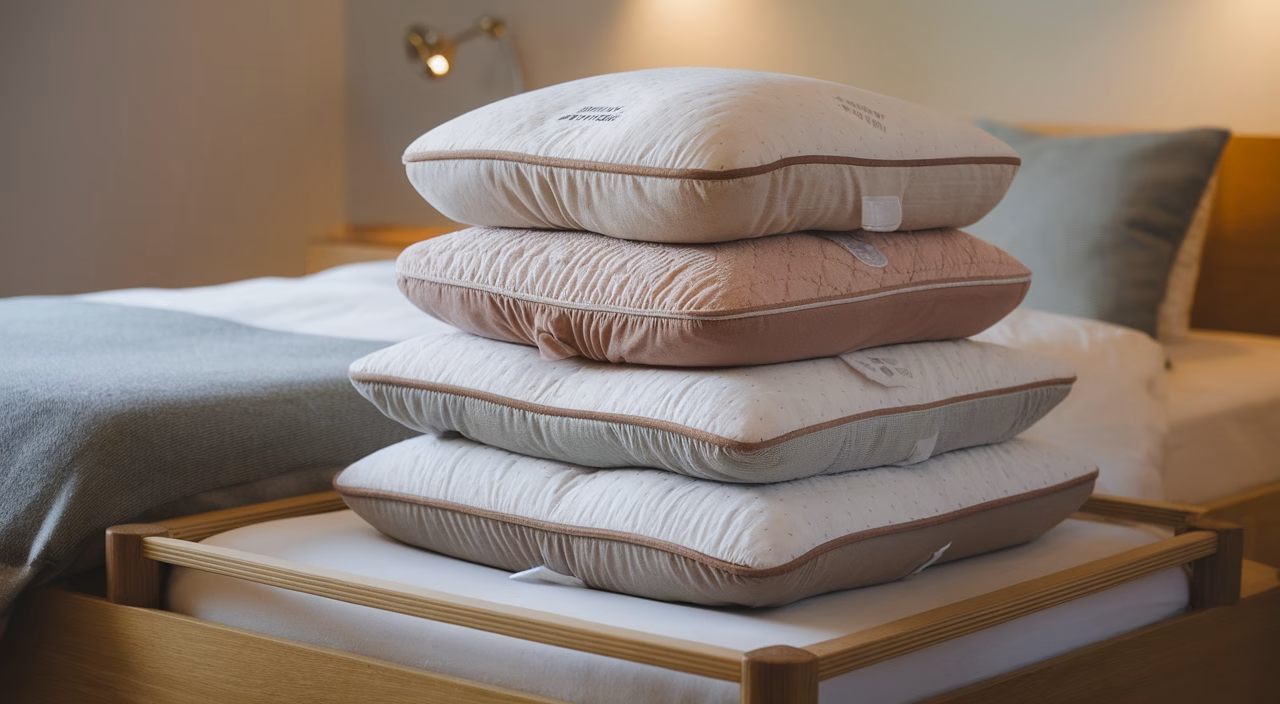
- Elevate your head: Sleeping on an incline encourages drainage and reduces nasal congestion. The best pillows for snorers with sinus problems keep your head elevated and properly aligned.
- Address allergens: Dust mites, pet dander, or mold can worsen congestion. Use air purifiers and wash bedding regularly in hot water.
- Stay hydrated: Moist mucosal membranes allow for easier mucus drainage and clearer nasal pathways throughout the night.
- Quit smoking: Inhaled smoke damages nasal tissues and thickens airway mucus, exacerbating both congestion and snoring.
One powerful shift is natural remedies for sinus-related snoring like nasal irrigation, especially before bed. In practice, it helps reduce nasal swelling and clear passages before you lie down. Many patients report hearing themselves snore less within just a few nights of starting this routine.
Final Thought: A Clear Nose Is a Quiet Night
Snoring due to sinus infection or chronic congestion is not something you have to endure. By understanding the interplay between nasal congestion, sinus infections, and sleep breathing, you can make informed decisions to reclaim restful nights. Whether you choose medical therapy, natural remedies, or environmental changes, relief is within reach—one clear breath at a time.
Frequently Asked Questions
- Is it normal to snore when congested?
Yes. When your nasal passages are blocked, air is rerouted through the mouth, increasing throat vibration and snoring. - Can sinus infections cause long-term snoring?
Yes. Chronic or recurrent sinus infections may cause structural changes or persistent inflammation that promotes mouth breathing and snoring. - What’s the best pillow for snoring with sinus issues?
An elevated wedge pillow or contoured memory foam pillow that supports the head and neck can help improve drainage and reduce snoring. - Are natural remedies effective for sinus-related snoring?
They can be. Consistent use of saline rinses, humidifiers, and steam inhalation can reduce congestion and promote nasal airflow during sleep. - Does nasal surgery stop snoring?
It depends on the root cause. If nasal blockages are a major contributor, surgical correction can significantly reduce or eliminate snoring. - How long does it take for snoring to improve after treating sinus problems?
Many people notice improvement within days to weeks of consistent sinus treatment, especially if accompanied by proper sleep habits. - Can allergies cause snoring in adults?
Yes. Allergens can trigger nasal inflammation, leading to congestion and air resistance during sleep—making snoring more likely.