
Why Does Humidity Make Snoring Worse?
Because high humidity can congest airways, trigger allergies, and thicken the air you breathe—making your soft tissues more likely to vibrate during sleep. In short: the wetter the air, the louder the snore.
TL;DR: Humidity and Snoring – What You Need to Know
- Humidity affects breathing: High humidity can worsen congestion. Dry air irritates airways, increasing snoring risk.
- Balance is everything: Ideal humidity for a good night’s sleep is between 40–60%.
- Snoring worsens in humid areas: Increased moisture inflames nasal passages and soft tissues, causing more vibration during sleep.
- Solutions exist: Humidity control, air filtration, throat exercises, and sleeping positions can help reduce snoring significantly.
- Targeted tools work best: Dehumidifiers, nasal strips, cooling pillows, and anti-snoring mouthpieces are especially useful in humid environments.
Section 1: Understanding the Link Between Humidity and Snoring
Subsection 1.1: How Humidity Impacts Snoring

Let’s picture it: you’re fast asleep, the windows are open, a storm is rolling in—and suddenly your partner’s snoring kicks into high gear. What changed? The humidity.
Humidity refers to the amount of moisture in the air. When humidity levels climb, the mucous membranes lining your nose and throat become inflamed, swollen, and congested. This narrows your airway, making it more likely for turbulent airflow to create sound—aka, snoring.
But extremely dry air isn’t innocent either. In arid sleep environments, the throat and nasal tissues dry out and become irritated—another culprit behind nighttime noise.
Here’s how humidity and snoring interact in real life:
- During summer months or monsoon seasons when humidity spikes—you snore more.
- In air-conditioned rooms with dry air—you snore differently, often with a dry throat and raspy breathing.
The conclusion? It’s not just the volume of your partner’s snore—it’s the environmental conditions shaping it. Understanding this connection is crucial for managing snoring effectively.
Section 2: Managing Snoring in Humid Environments
Subsection 2.1: Tips for Reducing Snoring in High Humidity
Now that we know how humidity fuels snoring, let’s discuss what you can do about it. Here are highly practical tips for managing snoring in humid climates—even on those sticky, tropical nights.
- Ventilate Your Bedroom: Keep a fan or air purifier running to prevent stagnant, muggy air from nesting around your sleep space.
- Use a Hygrometer: Measure bedroom humidity, aiming for 40–60% for optimal sleep comfort.
- Sleep Slightly Inclined: Try a wedge pillow to reduce the gravitational impact of soft tissues falling backward and vibrating.
- Clear Your Nasal Passage: Perform saline rinses or use a nasal dilator before bed to keep your upper airway wide and open.
- Limit Alcohol Before Bed: Alcohol relaxes the muscles of your throat—making snoring more likely in any environment, especially humid ones.
Subsection 2.2: Product Recommendations for Humid Snoring Relief
If you want a quieter night and live in a humid region, the right tools make all the difference. Let’s explore some snoring solutions tailored for humid environments:
| Product Type | Purpose | Ideal for |
|---|---|---|
| Dehumidifiers | Removes excess moisture from air | Tropical or coastal climates |
| Air purifiers with HEPA filter | Reduces allergens that worsen nasal congestion | Allergy-prone sleepers |
| Cooling gel pillows | Regulates temperature, which affects humidity sensitivity | Hot and sweaty sleepers |
| Anti-snoring mouthguards | Adjusts jaw position to open airway | People with soft tissue vibrations in throat |
Section 3: Improving Sleep Quality with Humidity Control
Subsection 3.1: The Role of Moisture in Snoring Incidence
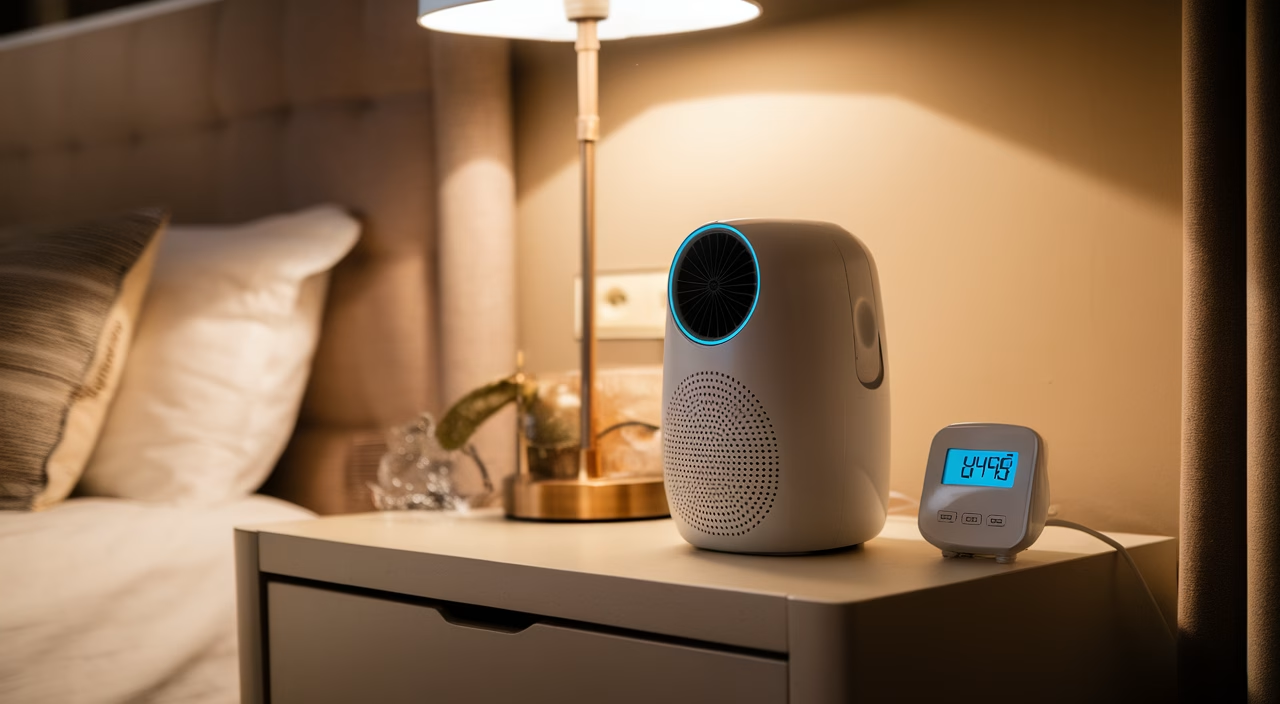
The role of moisture in snoring is often underestimated. Most people think of snoring as an anatomical issue—a flappy palate, blocked nose, or deviated septum. But humidity modulates all of these factors and directly impacts your snoring patterns.
Excess moisture makes mucosal tissues swell. This swelling narrows the airway. Meanwhile, prolonged exposure to high humidity can also allow mold and dust mites to thrive, triggering allergic reactions that worsen snoring.
On the other hand, overly dry air can desiccate nasal passages, leading your body to produce more mucus to compensate, which clogs things up all over again. The key to controlling humidity and snoring is finding the right balance.
Tips for balancing bedroom moisture and reducing snoring:
- Add a humidifier during dry winters, but monitor with a hygrometer.
- Use breathable linen bedding that reduces dampness.
- Run a dehumidifier if readings rise above 60% consistently.
- Keep windows cracked during nighttime if safe to minimize mold growth.
Cost Guide: Budgeting for Quiet, Moisture-Managed Sleep
| Solution | Low Range | Mid Range | High Range |
|---|---|---|---|
| Hygrometer | $10 | $30 | $60 |
| Dehumidifier | $70 | $200 | $500+ |
| Anti-snoring Mouthguard | $15 | $50 | $150 |
| Air Purifier with HEPA | $60 | $150 | $400+ |
Final Thoughts: Find Your Balance for Better Sleep
Whether you live by the ocean or in a desert valley, humidity affects the way your body breathes at night. Managing snoring isn’t just about nose strips and special pillows—it’s also about understanding the air that surrounds you.
By becoming aware of how humidity and snoring interact, you’re already ahead of the curve. Make small adjustments, stay consistent with your sleep environment, and don’t hesitate to experiment until you find a system that works for your specific climate and body. Remember, effective snoring management combines multiple approaches for the best results.
Frequently Asked Questions
- Why am I suddenly snoring so badly?
Your snoring might worsen due to seasonal humidity changes, allergies, or even changes in weight or sleep position. Monitor air quality and discuss persistent symptoms with a sleep specialist. - Can a humidifier make snoring worse?
Yes, if the room becomes too damp. Keep humidity between 40–60% to avoid irritation and mold growth that can worsen snoring. - What is better for snoring: humid or dry air?
Neither extreme is ideal. Balanced humidity (40–60%) ensures your airways stay moist without swelling or congestion that triggers snoring. - Does air conditioning help with snoring?
It can by cooling the room and reducing humidity—but can also dry the air and irritate nasal passages if used excessively, potentially worsening snoring. - What’s the best sleeping position for humid snorers?
Sleeping on your side or with your torso slightly elevated helps keep airways open and reduces snoring intensity in humid conditions.