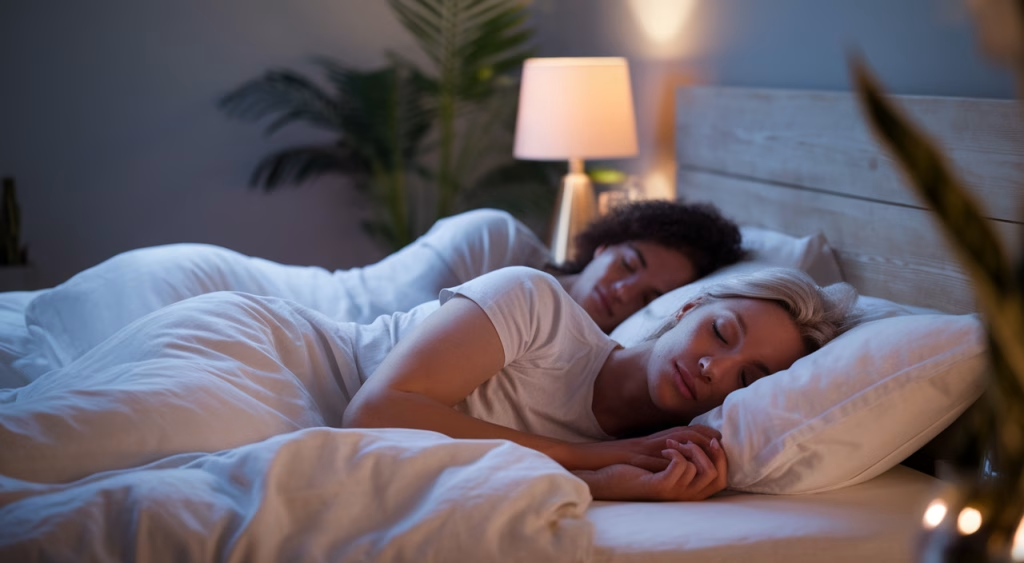

Can Your Mattress Really Affect Snoring and Sleep Apnea?
Yes, your mattress can significantly impact snoring and sleep apnea. An unsupportive or poorly designed mattress can worsen airway obstructions, while a properly supportive surface can promote better sleep posture and clearer breathing pathways.
TL;DR: Summary
- Mattress quality matters: A sagging, unsupportive mattress can worsen snoring and sleep apnea.
- Elevated support matters: Contoured mattresses help maintain open airways while sleeping.
- Memory foam & latex excel: These materials distribute pressure evenly and improve body alignment.
- Side sleepers benefit most: The right mattress enhances posture and reduces airway collapse.
- Consider adjustability: Adjustable mattresses can elevate the upper body and help reduce snoring.
How Your Mattress Affects Snoring and Sleep Apnea
If you’ve ever woken up feeling as if you never slept — groggy, irritable, and with your partner nudging you because of your snoring — you’re not alone. As a respiratory therapist, I’ve seen firsthand how sleeping position and surface can dramatically impact the severity of sleep apnea and snoring. But how do these seemingly unrelated factors connect?
Your mattress has a direct influence on spinal alignment, muscle relaxation, and airway openness. When your mattress is too soft, too hard, or unevenly worn, your neck and upper airway may be misaligned. This mechanical misalignment narrows your airway, making breathing more laborious and noisy. Understanding mattress and snoring connections can transform your sleep quality overnight.
Understanding the Relationship Between Mattress and Sleep Disorders
Let’s dig deeper into the science behind the mattress influence on snoring and sleep apnea. Snoring typically occurs when tissues in the throat vibrate due to obstructed airflow. Sleep apnea — whether obstructive or central — involves partial or complete pauses in breathing during sleep. Both of these conditions are highly sensitive to sleeping position and upper body support.
What does this mean for you? A mattress that fails to support the natural curve of your spine and head alignment can allow the lower jaw to drop backward, increasing airway resistance. The connection between mattress and sleep apnea becomes clear when we consider that fluent, unobstructed breathing relies on an open airway — and your mattress plays a greater role in this than you might suspect.
Factors to Consider When Choosing a Mattress for Snoring
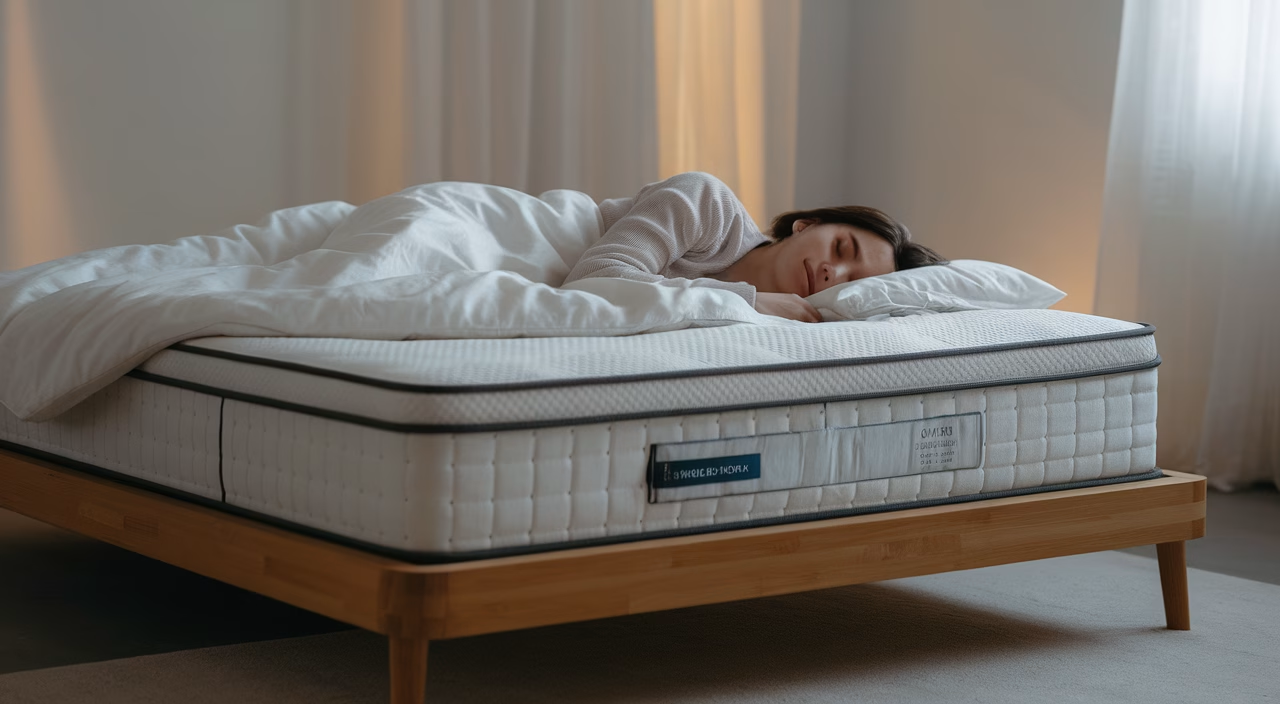
Still wondering how mattress affects snoring? Here are the critical factors to explore when mattress shopping with respiratory health in mind:
- Firmness Level: A medium-firm mattress is often ideal, offering enough cushion to relieve pressure but ample support to align the neck and spine.
- Material Composition: Memory foam and latex distribute weight evenly, helping you maintain posture that keeps your airway more stable and open.
- Mattress Age: Even the best mattress deteriorates. Sagging can exaggerate poor sleep posture and worsen airway obstruction.
- Sleeping Position Suitability: Side sleepers benefit the most from elevated spinal alignment, while back sleepers may need enhanced neck elevation.
The goal is spinal neutrality — where your head, shoulders, and hips are aligned in a way that keeps airways open. Think of your mattress like the foundation of a building. Without a stable base, everything above it is out of balance.
Best Mattress Types for Sleep Apnea
When comparing best mattresses for snoring or sleep apnea-friendly mattresses, consider how different materials behave. Here’s a breakdown of common types that relieve — or worsen — breathing conditions:
| Mattress Type | Features | Snoring/Sleep Apnea Suitability |
|---|---|---|
| Memory Foam | Contours to body’s shape, reduces pressure points | Excellent – promotes spinal alignment |
| Latex | Responsive, breathable, hypoallergenic | Very Good – maintains surface support without sagging |
| Hybrid | Foam + coils combo for support and comfort | Good – varies by firmness and build quality |
| Innerspring | Traditional coil style, often lacks contouring | Poor – tends to sag over time & unevenly supports body |
| Adjustable Base | Custom elevation of upper body and legs | Excellent – improves airflow and reduces symptoms |
Cost Guide: Choosing Based on Your Budget
Buying the right mattress isn’t just about comfort — it’s an investment in your respiratory health. Here’s an average cost breakdown for snoring and sleep apnea-friendly mattresses:
| Budget Category | Price Range (USD) | Recommendation |
|---|---|---|
| Low-End | $300 – $700 | Consider firm foam, but check for quality certifications. |
| Mid-Range | $800 – $1500 | Opt for certified foam or hybrid mattresses with support zones. |
| High-End | $1600 – $3000+ | Best for custom support, long warranties, and contouring materials. |
Tips for Maintaining a Snore-Free Sleep Environment
Even the best mattresses for snoring can’t solve everything. If you’re trying to reduce nighttime disruptions, your bedroom environment and sleep habits are equally vital. Here are ways to enhance your sleep hygiene in tandem:
- Keep allergens low: Dust mites in old mattresses or bedding can irritate airways and trigger snoring.
- Elevate your head: Use wedge pillows or consider an adjustable sleeping surface to improve upper airway flow.
- Use supportive pillows: Your pillow should complement your mattress to prevent neck misalignment.
- Practice side sleeping: Avoid sleeping flat on your back if you snore or have mild OSA.
- Ventilate and humidify: Dry air irritates the throat and nasal passages, causing snoring to worsen.
Conclusion: Improving Your Sleep Quality
So — can your mattress really improve your breathing? Absolutely. Choosing the right mattress might not cure obstructive sleep apnea, but it can reduce the frequency and severity of symptoms. More importantly, the mattress influence on snoring and sleep apnea is often underestimated. It’s not just about softness or luxury but about how your body aligns, breathes, and stays supported all night long.
Understanding how to choose a mattress for sleep apnea means considering firmness, materials, and your personal sleep patterns. Take your time, assess your sleep habits, consult with a professional if needed, and invest in high-quality sleep — your life depends on it.
Frequently Asked Questions
- Can an old mattress cause snoring?
Yes. An old or sagging mattress may no longer provide adequate spinal support, leading to airway misalignment that increases snoring risk. - Is a memory foam or latex mattress better for sleep apnea?
Both are excellent choices. Memory foam conforms closely to body contours, while latex provides responsive support. Personal preference often decides. - Should I avoid soft mattresses if I snore?
Extremely soft mattresses can lead to poor alignment. A medium-firm option typically works best for reducing snoring without sacrificing comfort. - Can a mattress topper help reduce snoring?
Yes, if it improves body contouring and spinal alignment. It’s a budget-friendly way to enhance an outdated or overly firm mattress. - Does sleeping on your side help with sleep apnea?
Yes. Side sleeping reduces the collapse of soft tissues in the throat and improves breathing in cases of obstructive sleep apnea. - How often should I replace my mattress if I have sleep apnea?
Every 7-10 years is ideal, or sooner if the mattress sags or no longer supports your alignment. - Are adjustable beds worth it for snoring or apnea?
Yes. Adjustable bases allow elevation of the upper torso, reducing airway compression and improving airflow.