What Are the Best Sleep Positions for Achieving Snore-Free Sleep?
Achieving snore-free sleep often begins with one surprisingly simple factor: how you position your body during the night. Some sleep positions naturally open your airway and reduce snoring, while others may trigger throat muscles to collapse — leading to the infamous nighttime soundtrack we know as snoring. So, which sleep position is best for reducing that nightly noise? Let’s uncover how optimizing your posture while sleeping can lead to quieter, more refreshing rest and help you stop snoring naturally.
TL;DR: Snore-Free Sleep Position Summary
- Side sleeping is the best sleep position to reduce snoring by preventing airway collapse.
- Back sleeping can help or hurt, depending on your pillow and angle.
- Stomach sleeping may lessen snoring but can strain the neck and spine.
- Adjustable beds offer customizable angles to enhance comfort and airway clearance.
- Minor changes in posture can make a significant difference in achieving peaceful, snore-free sleep.
Side Sleeping: The Champion Position for Quiet Nights
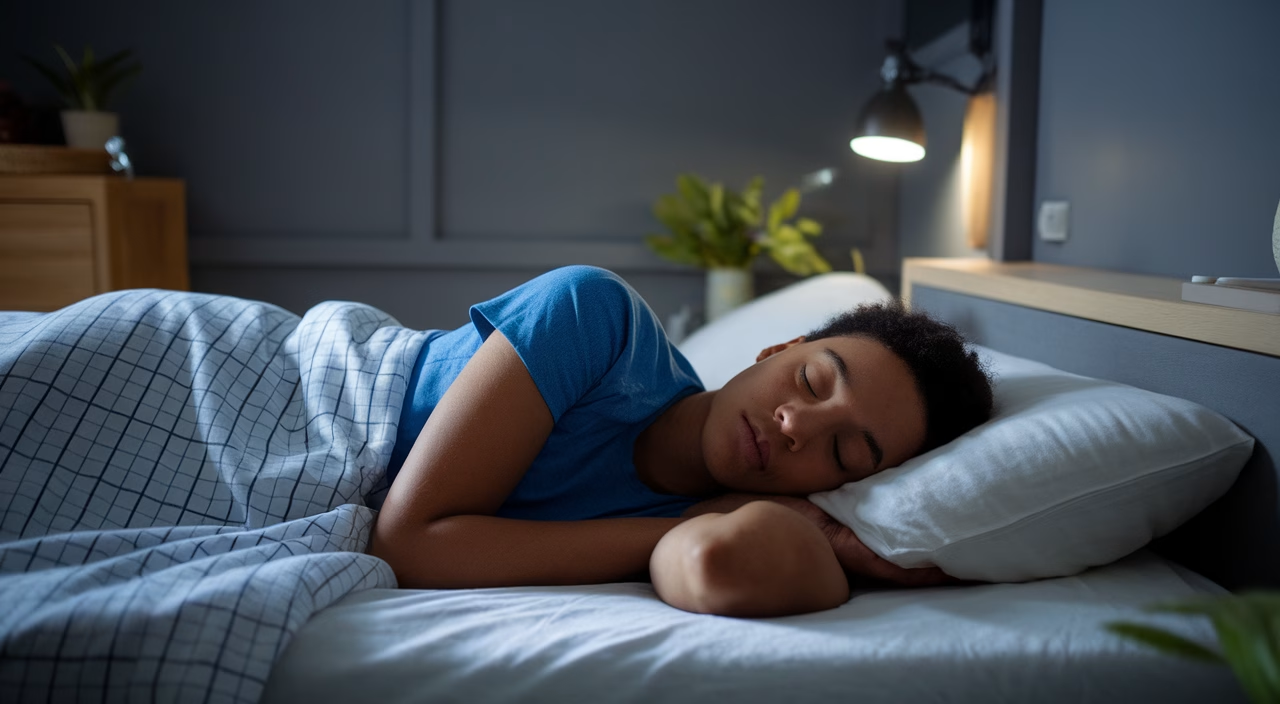
If snoring were a villain, side sleeping would be the hero of our bedtime story. It wins the crown as the most effective sleep position to reduce snoring naturally — and there’s solid reasoning to back it up.
When you sleep on your side, gravity helps keep your tongue and soft tissues from collapsing into the airway. This position supports clear airflow through the nose and throat and is especially beneficial if you’re dealing with mild sleep apnea or congestion-driven snoring. Side sleeping is consistently ranked as the best sleep position for snoring relief.
In practice, you’ll often wake up feeling more rested — and your sleeping partner will thank you for those peaceful nights. If you’re not naturally a side sleeper, using a body pillow as a barrier or cuddling it as support can help you transition to this snore-free sleep position more comfortably.
Quick Tips for Better Side Sleeping
- Use a firm pillow that aligns your neck and spine to reduce snoring effectively.
- Place a pillow between your knees for extra balance and comfort.
- Try sleeping on your left side to reduce acid reflux, which can also contribute to snoring.
Back Sleeping: The Surprising Snore-Reducing Position
Back sleeping often gets a bad rap when it comes to snoring — and in many cases, deservedly so. When you sleep flat on your back, your lower jaw and tongue tend to fall backward, tightening the airway. For some people, this leads to more frequent or louder snoring and prevents them from achieving snore-free sleep.
However, there are nuances to consider. With the help of proper posture and elevation, sleeping on your back can actually help reduce snoring in some individuals. How? It’s all about finding the right angle for peaceful nights.
Try This: Elevated Back Sleeping
Using an adjustable bed or stacking your pillows to elevate your upper body by 30 to 45 degrees can decrease gravitational pooling in the airway, keeping the path clearer for airflow. Think of it as lifting the lid just enough so the kettle doesn’t whistle — airflow resumes without obstruction, helping you achieve better snore-free sleep.
Stomach Sleeping: The Controversial Option for Snorers
Stomach sleeping — also known as the prone position — presents a bit of a paradox for those seeking snore-free sleep. On one hand, it can reduce snoring because the position pulls the tongue forward and flattens the throat, keeping things open. On the other hand, it has its own set of drawbacks — from neck stiffness to misalignment of the spine.
Here’s what often happens with stomach sleepers: they twist their neck to one side to breathe, placing pressure on the cervical spine. Over time, this can lead to discomfort, headaches, or even chronic pain. Still, for some devoted belly sleepers, it’s a tradeoff they’re willing to make if it means peaceful nights and reduced snoring.
How to Make Stomach Sleeping Safer
- Use a very thin pillow — or no pillow — under your head to reduce neck strain.
- Place a pillow under your abdomen to prevent lower-back pressure.
- If possible, turn your face slightly downward rather than fully to the side.
Adjustable Beds: Enhancing Comfort and Reducing Snoring
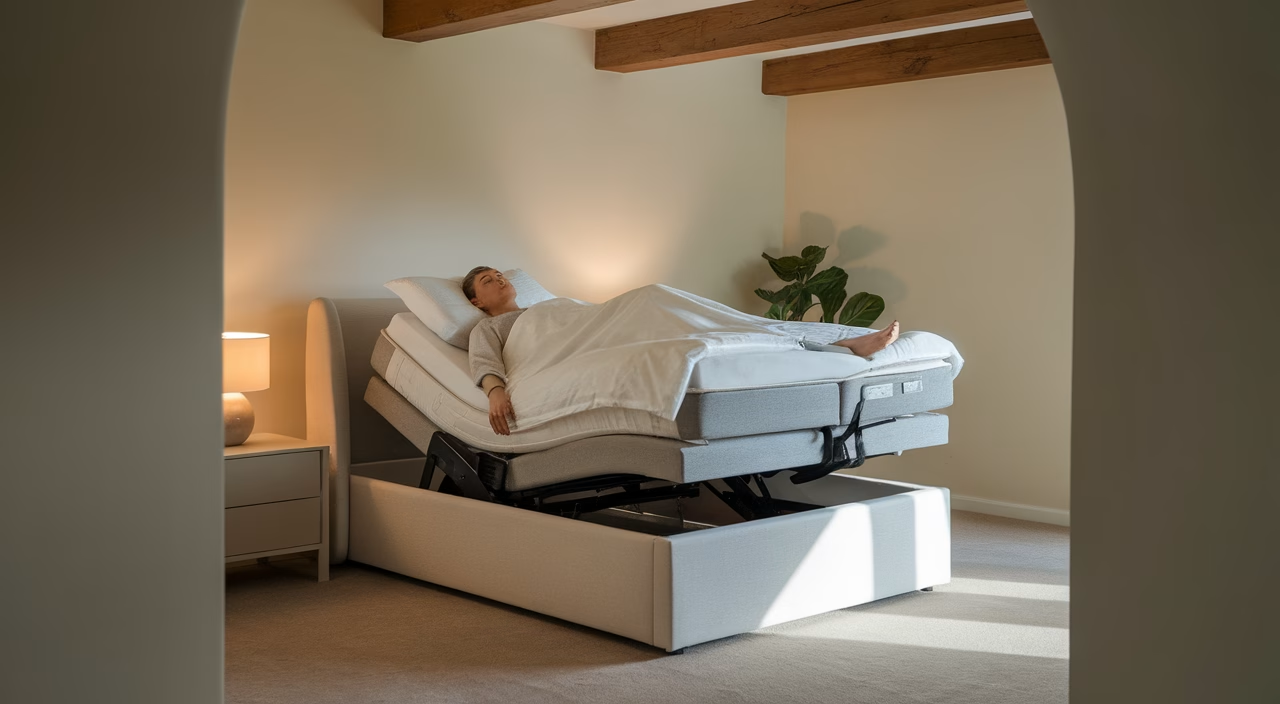
If there were a sleep-tech superhero in this story, adjustable beds would wear the cape. These beds allow users to change the angle of the upper body and legs, optimizing airflow and reducing the likelihood of airway obstruction—a key trigger for snoring. They’re an excellent investment for anyone seeking consistent snore-free sleep.
Think of it as taking gravity and making it your ally. By raising the torso slightly, you not only reduce snoring but also ease issues like acid reflux, nasal stuffiness, and even back pain. These benefits make adjustable beds a smart solution for those who struggle with snoring due to posture-related issues and want to enjoy peaceful nights consistently.
Adjustable Beds: Cost Guide
| Type | Price Range (USD) |
|---|---|
| Low-End Manual Models | $250 – $600 |
| Mid-Range Electric Models | $700 – $1,500 |
| High-End Smart Beds | $1,600 – $4,000+ |
Conclusion: Choosing the Best Sleep Position for a Peaceful Night’s Sleep
Everyone’s sleep journey is unique — but if snoring is stealing your rest, adjusting your sleep position can be one of the most effective, non-invasive changes you can make. Side sleeping remains the top recommendation for most people looking to reduce snoring naturally and achieve snore-free sleep. However, don’t overlook the potential of properly supported back sleeping or even a fine-tuned stomach position if that’s more your style.
Sleep is deeply personal, and so is the search for solutions that work. Whether you’re considering an adjustable bed, curious about posture hacks, or just dreaming of quieter, more peaceful nights, remember: even small shifts in your sleep position can lead to big changes in your rest quality and help you finally achieve the snore-free sleep you deserve.
Frequently Asked Questions
Can bad posture make you snore?
Yes, poor posture — even while lying down — can reduce your airway space and increase snoring. When your spine or neck isn’t aligned, your throat muscles may compress your windpipe more easily, leading to restricted airflow and snoring sounds.
What sleep position is best for reducing snoring naturally?
Side sleeping is traditionally the most effective position for naturally reducing snoring. It helps keep the airway open and prevents soft tissues from blocking airflow.
Are adjustable beds worth it for snorers?
Yes, if snoring is caused by airway obstruction related to position, adjustable beds can be very effective. They allow customized head elevation, improving airflow and reducing snoring triggers.
Does sleeping without a pillow help reduce snoring?
Not always. In fact, no pillow can sometimes worsen snoring, especially for back sleepers. The key is proper neck support to keep your airway aligned and open.
Is stomach sleeping dangerous for your health?
While sleeping on your stomach can reduce snoring, it may strain your neck, back, and joints. It’s not dangerous for everyone but requires mindful positioning and careful pillow use.
Can sleep position fix snoring completely?
For many, changing to the right sleep posture significantly reduces or even eliminates snoring. However, snoring can also have medical causes like sleep apnea that require additional treatment.
Are wedge pillows a good substitute for adjustable beds?
Wedge pillows can help simulate the angled elevation of an adjustable bed, though they may not offer the same versatility. They’re a cost-effective first step for position-based snoring relief.