How can I stop snoring while sleeping naturally?
Snoring can often be reduced or even eliminated by practicing healthy sleep hygiene, making lifestyle adjustments, and relying on natural, non-invasive remedies. These methods support clearer breathing, reduce airway obstruction, and encourage restful sleep without depending on medications or devices.
TL;DR Summary
- Identify the root cause: Nasal congestion, sleep position, hydration, and weight are all key contributors.
- Change your sleep posture: Side-sleeping typically reduces throat constriction and vibration.
- Hydration helps: A dry throat or nose amplifies snoring sounds. Drink plenty of water throughout the day.
- Try nasal support: Warm steam, saline rinses, and oils help ease nasal blockage naturally.
- Maintain a sleep-friendly lifestyle: Avoid alcohol, heavy meals late at night, and overly dry air in your bedroom.
Understanding Snoring and its Impact
Snoring isn’t just a nighttime nuisance—it can disrupt relationships, diminish sleep quality, and leave you groggy and unfocused by morning. Snoring happens when airflow is partially blocked in the back of your mouth, nose, or throat, causing the surrounding tissues to vibrate and create that familiar rumble or wheeze.
Common causes of snoring include:
- Nasal congestion: Whether from colds, allergies, or dry air, it makes nasal breathing harder and forces mouth breathing.
- Sleep position: People who sleep on their backs are more likely to snore due to gravity pulling the tongue backward.
- Weight gain: Extra tissue around the throat area can narrow your airway and increase snoring risk.
- Alcohol or sedative use: Relaxed throat muscles can restrict airflow during sleep.
Understanding how to prevent snoring starts with recognizing what triggers yours. From there, we can explore powerful yet gentle snoring remedies that align with your body’s natural rhythm and help you discover natural ways to reduce snoring effectively.

Lifestyle Changes to Reduce Snoring
If snoring has disrupted you or your partner’s sleep night after night, the solution may begin with a few simple lifestyle upgrades. Let’s explore these gentle lifestyle changes to prevent snoring that can deliver remarkable results over time.
1. Adjust Your Sleeping Position
When you sleep on your back, your tongue and soft palate relax against the back of your throat—blocking airflow and causing vibrations. Try lying on your side instead. A body pillow or special wedge can gently keep you from rolling over in your sleep, making this one of the most effective snoring solutions available.
2. Focus on Weight Management and Movement
Excess body weight, especially around the neck, compresses the upper airway. Even modest weight loss (around 10%) can significantly lessen snoring. We recommend combining daily walks with light strength routines to keep your respiratory system functioning optimally.
3. Avoid Alcohol and Sedatives Before Bed
Drinking before bedtime relaxes throat muscles too much. This relaxed state can cause your throat to partially collapse during sleep, restricting airflow. Try avoiding alcohol 3–4 hours before sleep, and don’t rely on sedatives for rest—this simple change can be a game-changing snoring remedy.
4. Establish a Consistent Bedtime Routine
Your body craves rhythm. Maintaining consistent sleep times and practicing relaxing rituals—like reading, stretching, or warm baths—helps your system ease into deeper, calmer breathing patterns at night.
5. Keep Your Bedroom Air Clean and Moist
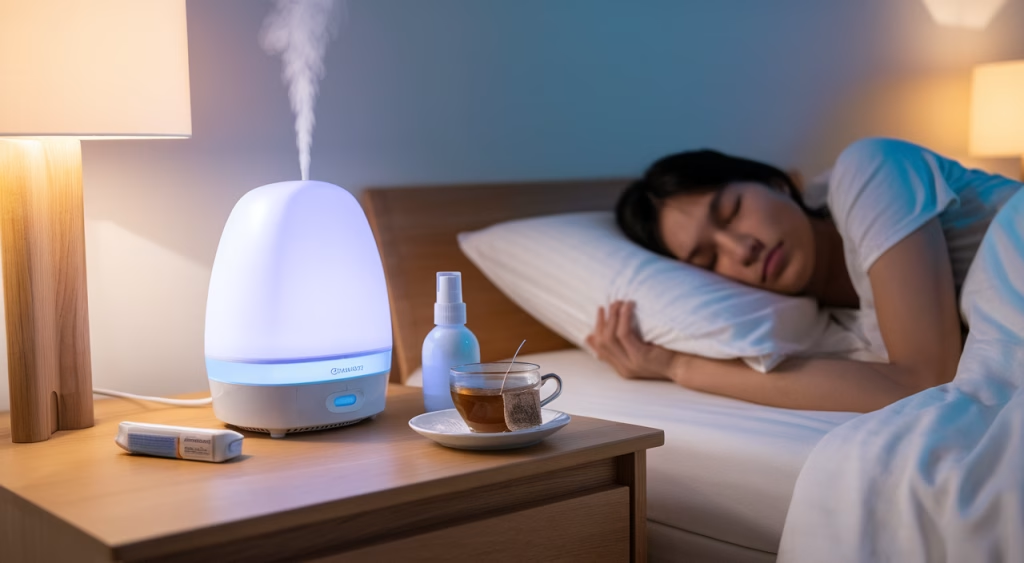
Dry air irritates nasal passages and worsens snoring. A humidifier and regular dust maintenance can improve breathing and reduce snoring triggers from allergens or airborne particles.
Home Remedies for Natural Snoring Relief
Now let’s explore the heart of this guide: effective home remedies to stop snoring while sleeping naturally. These practices support airway function and reduce inflammation without side effects, offering you natural ways to reduce snoring starting tonight.
1. Practice Nasal Irrigation with Saline
Nasal congestion is a frequent snoring culprit. A saline rinse—either via spray or irrigation—can flush allergens and reduce swelling. This snoring treatment option can be particularly helpful during allergy season or if you suffer from sinus infections.
2. Try Steam Inhalation or Warm Showers
Steam helps open up sinus passages naturally. Try taking a warm shower before bed or inhaling steam from a bowl filled with hot water and essential oils like eucalyptus or peppermint. This simple technique can provide immediate relief and help you stop snoring while sleeping naturally.
3. Use Lavender or Peppermint Oil
Natural essential oils calm mucous membranes and reduce inflammation. Apply them around your nasal area or use an essential oil diffuser for nighttime aromatherapy—these natural snoring remedies can significantly improve your breathing.
4. Elevate Your Head While Sleeping
Raising the head of your bed can prevent gravity from collapsing the throat’s airway. Use an adjustable pillow or gently elevate the mattress head to encourage better airflow throughout the night.
5. Stay Consistently Hydrated
Dry membranes make snoring worse. Keep a glass of water by the bed, and sip throughout the evening. Add hydrating foods like soups, cucumbers, and melons to your meals. Proper hydration is one of the most overlooked yet effective snoring solutions.
Cost Guide: Natural Snoring Remedies
| Remedy | Low-End Cost | Mid-Range | Premium Option |
|---|---|---|---|
| Saline Irrigation Kits | $5 | $15 | $30+ |
| Body Pillow/Nasal Pillow | $10 | $35 | $75 |
| Essential Oils & Diffuser | $7 | $25 | $65 |
| Heated Humidifier | $15 | $45 | $100+ |
| Anti-Snore Wedge Pillow | $20 | $50 | $120 |

Other Remedies to Try
If lifestyle changes and basic home remedies haven’t fully quieted your nights, there are additional snoring treatment options that remain non-invasive and natural. These alternative approaches can complement your existing routine and help you discover how to prevent snoring more effectively.
Try Singing Exercises and Throat Strengthening
It might sound surprising, but vocal exercises can tone the throat’s soft tissue. Humming, repeating vowel sounds, or even playing wind instruments have shown promise in reducing snoring frequency. These exercises strengthen the muscles that control your airway.
Explore Positional Training Aids
Soft wearable devices or prompts on your back can gently discourage back sleeping. These help retrain your body to maintain side-sleeping positions, which often naturally improves airflow and reduces snoring.
Herbal Teas and Anti-Inflammatory Blends
Herbal teas like chamomile, ginger, and turmeric reduce inflammation and aid nighttime relaxation. A warm mug an hour before bed can make a noticeable impact on snore frequency and serve as an excellent natural snoring remedy.
Jaw and Throat Strengthening Exercises
If you enjoy technology, apps now exist with guided exercises for the mouth and jaw to promote better muscle control. These exercises double as meditation tools and can help you learn how to stop snoring while sleeping naturally through consistent practice.
Conclusion
Snoring doesn’t have to steal your sleep—or your peace of mind. By understanding your body’s needs and practicing these natural ways to reduce snoring, you can gently restore silent, restful nights. Each person’s body responds differently, so experiment patiently with various snoring remedies. Combine multiple approaches with care, and remember: progress often happens quietly—literally.
If snoring remains persistent despite trying these snoring solutions, we recommend seeking professional assessment to rule out sleep apnea or anatomical issues that may require additional snoring treatment options.
Frequently Asked Questions
How to stop snoring while sleeping naturally if I sleep on my back?
Try using a body pillow to keep yourself on your side or elevate the upper body with a wedge pillow. These positions reduce throat collapse associated with back-sleeping and are among the most effective snoring remedies for back sleepers.
Can hydration alone really reduce snoring?
In many cases, yes. Staying well-hydrated keeps throat tissues moist and supple, preventing excessive vibration. Combine hydration with nasal remedies for optimal results when learning how to prevent snoring naturally.
How long before I see results from lifestyle-based snoring remedies?
Some people report improvements within days, while others notice gradual changes over a few weeks of consistency. Like any health adjustment, patience and repetition are key to discovering which natural ways to reduce snoring work best for you.
What is the best sleep position to stop snoring?
Sleeping on your side or stomach is best. These positions prevent the tongue and soft palate from collapsing backward, which reduces airway blockage and vibrations—making position change one of the simplest yet most effective snoring solutions.
Are essential oils safe to use every night?
Yes, when used properly. Use oils in a diffuser or diluted with a carrier oil around the nostrils. Avoid applying them directly inside the nose or if you have scent sensitivities. Essential oils are gentle, natural snoring remedies when used correctly.
Is snoring dangerous or just annoying?
It can be both. While some snoring is harmless, chronic loud snoring may signal sleep apnea or oxygen deficiencies. If you stop breathing at night, consult a sleep specialist for professional snoring treatment options.
Should I try mouth exercises for snoring?
Absolutely. Strengthening the muscles around your tongue and throat can reduce airway collapse during sleep. These exercises offer lasting benefits with consistent practice and are excellent natural ways to reduce snoring over time.