
What is the best pillow for snoring?
The best pillow for snoring is one that supports proper head and neck alignment to keep your airways open during sleep. Typically, this means an anti-snoring pillow crafted for side sleepers with memory foam or contoured design. It reduces throat tissue vibration—the main cause of snoring—by optimizing your sleep posture.
TL;DR: Summary
- Best pillow for snoring: Contoured or memory foam pillows designed for side sleeping can reduce airway obstruction.
- Snoring causes: Often due to airway restriction from tongue placement, sleep position, or nasal blockage.
- Snoring solutions: Combine the right pillow, lifestyle changes, and positional therapy.
- Snoring prevention tips: Maintain a healthy weight, avoid alcohol near bedtime, and use humidifiers if your airways are dry.
- Effective without surgery: Yes—most people reduce or eliminate snoring using non-invasive methods.
Introduction: Understanding Snoring and Its Impact
Snoring affects millions of people worldwide, creating a nightly battle between restful sleep and frustrating disruption. Whether you’re being nudged awake by a partner or waking yourself up mid-snore, the exhaustion—both physical and emotional—can be overwhelming.
Snoring occurs when airflow through your nose or mouth becomes partially blocked. This blockage causes tissues in your throat to vibrate, producing that characteristic sound we all know too well. While it may seem harmless, chronic snoring can severely impact sleep quality, strain relationships, and even signal underlying health issues like sleep apnea.
But here’s the encouraging news: In most cases, you don’t need invasive treatments or expensive devices. Simple lifestyle changes—and yes, the best pillow for snoring—can significantly reduce, or even eliminate, nightly disruptions. Let’s explore how your pillow choice, sleep position, and strategic changes can lead to silent, healthier nights for both you and your partner.
The Link Between Snoring and Sleep Position
Ever noticed you only snore when lying on your back? That’s no coincidence. Your sleep posture plays a crucial role in airway openness. When lying flat on your back, gravity pulls your tongue and soft tissues downward, narrowing the airway and dramatically increasing your chances of snoring. This is what we call positional snoring.
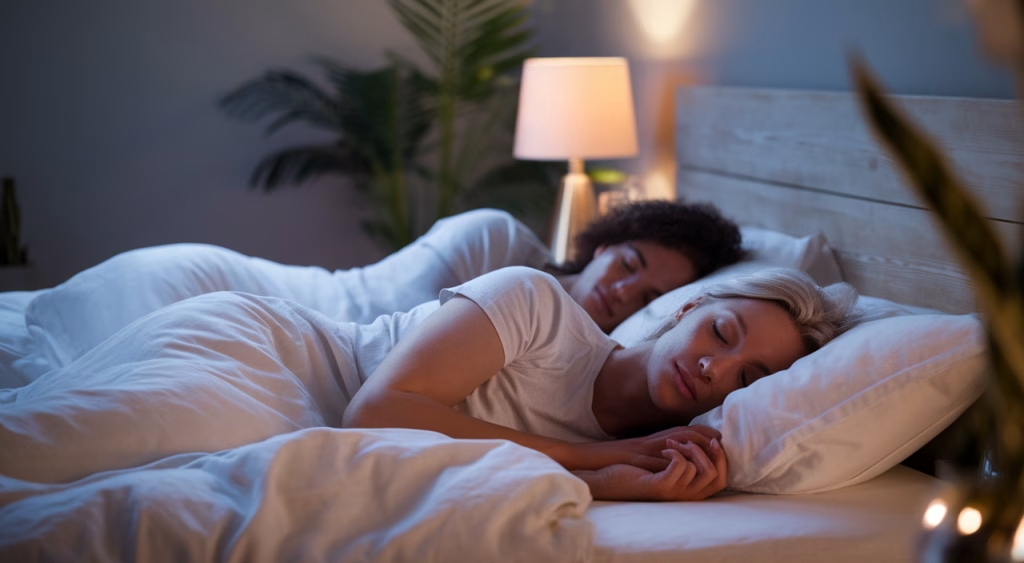
In contrast, side sleeping allows gravity to work with you, not against you. It helps maintain an open airway and reduces vibration from soft tissues. Side sleeping is widely considered the best sleep position for snoring prevention, especially when paired with the right anti-snoring pillow that encourages stable posture throughout the night.
If switching sleep positions sounds easier said than done, don’t worry—we’ll cover specialized pillow designs that gently guide your body into the ideal position while providing maximum comfort.

Choosing the Right Pillow for Snoring Relief
Let’s dive into what makes a pillow truly effective against snoring. An ‘anti-snoring pillow’ isn’t just clever marketing—it’s a pillow with the precise shape, firmness, and height to promote healthy head alignment and encourage side sleeping. Here’s what you should look for when selecting the best pillow for snoring:
Support and Elevation
Your ideal snoring pillow should support your head and neck evenly, keeping airways perfectly aligned. Too low, and you risk airway collapse; too high, and you’ll strain your neck muscles. Memory foam or latex pillows often deliver the best results, molding to your unique anatomy while maintaining crucial firmness throughout the night.
Pillow Shape
Contoured anti-snoring pillows cradle your head while properly lifting your neck, preventing airways from becoming obstructed. Some specialized snoring pillows feature wedge shapes, designed to elevate your upper body—an effective solution for those who snore due to nasal congestion or acid reflux.
Positional Reinforcement
The most effective anti-snoring pillows are designed to prevent you from rolling onto your back during sleep. These innovative foam designs with U-slopes or butterfly shapes reward side sleeping by providing stable, cradling support that naturally discourages back sleeping.
| Pillow Type | Best For | Sleep Position |
|---|---|---|
| Memory Foam Contour | Chronic snorers, sleep apnea | Back or side |
| Wedge Pillow | Acid reflux, nasal congestion | Back |
| Side Sleeper Pillow | Positional snoring | Side |
| Adjustable Loft Pillow | Combination sleepers | All positions |
Lifestyle Changes to Combat Snoring
While the best pillow for snoring can be transformative, it works most effectively when combined with strategic lifestyle changes. Snoring typically results from multiple overlapping factors, so these natural remedies for snoring can significantly amplify your pillow’s impact.
Weight Management
Extra weight, particularly around your neck area, can compress your airway significantly. Even modest weight loss can dramatically reduce both snoring intensity and frequency, making this one of the most effective snoring solutions available.
Avoid Alcohol Before Bed
Alcohol acts as a powerful muscle relaxant. When consumed close to bedtime, it over-relaxes your throat muscles, increasing airway collapse and intensifying snoring. We recommend avoiding alcohol for at least 4 hours before sleep.
Stay Hydrated
Dehydration leads to thicker mucus in your throat and nasal passages, increasing tissue vibration and snoring intensity. Drinking adequate water throughout the day keeps your airways moist and clear, supporting better breathing.
Treat Nasal Congestion
If allergies or colds are blocking your nasal passages, you’re significantly more likely to snore. Use nasal strips, saline sprays, or a humidifier to improve breathing and reduce snoring naturally.
Quit Smoking
Smoke irritates nasal and throat tissues, causing inflammation that narrows your airways. Quitting smoking doesn’t just benefit your lungs—it’s also one of the most effective snoring remedies available.
Cost Guide: Snoring Pillows and Remedial Tools
| Price Range | Product Examples | Use Case |
|---|---|---|
| $20–$40 | Basic memory foam pillow | Occasional snorers needing mild support |
| $45–$80 | Anti-snore contour or side-sleeping support | Moderate snoring or sleep disruption |
| $90–$150+ | High-performance adjustable loft pillows | Chronic snoring, apnea-related snoring |

Additional Tips and Tricks for Silent Nights
Successfully overcoming snoring often involves creating the optimal sleep environment and maintaining habits that support healthy breathing throughout the night.
Elevate Your Sleeping Position
Use an adjustable bed or place a wedge beneath your mattress to elevate your torso slightly. This simple adjustment helps reduce tissue collapse and prevents nasal drip that can trigger snoring.
Establish a Consistent Bedtime Routine
Regular sleep schedules keep your body functioning in a healthy rhythm. Go to bed and wake up at consistent times daily—even on weekends—to support better sleep quality and reduce snoring.
Use Nasal Dilators
These affordable devices gently open your nostrils from within, dramatically improving airflow and reducing snoring caused by nasal blockage.
Try Natural Remedies for Snoring
- Steam inhalation before bed effectively clears nasal passages.
- Drinking peppermint tea may reduce throat inflammation naturally.
- Throat exercises (like singing vowels) strengthen airway muscles over time.
Track Your Progress
Use sleep apps or wearable devices to monitor your snore frequency and intensity. Seeing measurable improvements motivates consistency and helps you identify patterns in your snoring triggers.
Frequently Asked Questions
Does sleeping on your side stop snoring?
Yes. Side sleeping helps prevent your tongue and soft tissues from collapsing into the airway, significantly reducing vibration and snoring sounds.
Can a pillow really help with snoring?
Absolutely. The best pillows for snoring improve neck alignment and encourage side sleeping—minimizing airway blockages and reducing vibrations during sleep.
What’s a natural remedy for snoring that works?
Steam inhalation, herbal teas, and throat exercises can naturally reduce throat tissue swelling and keep airways clear, providing effective snoring relief.
Is surgery the only way to stop snoring permanently?
No. Many people achieve lasting snoring relief using lifestyle changes and positional therapies, especially when combined with supportive anti-snoring pillows.
Will weight loss stop my snoring?
Losing weight—especially around the neck area—can reduce pressure on your airways and significantly decrease snoring for many individuals.
How do anti-snoring pillows compare to CPAP devices?
Anti-snoring pillows support proper posture to minimize vibration-related snoring. CPAPs, which deliver pressurized air, are typically prescribed for diagnosed sleep apnea, not basic snoring issues.