What’s the Best Sleeping Position to Reduce Snoring and Sleep Apnea?
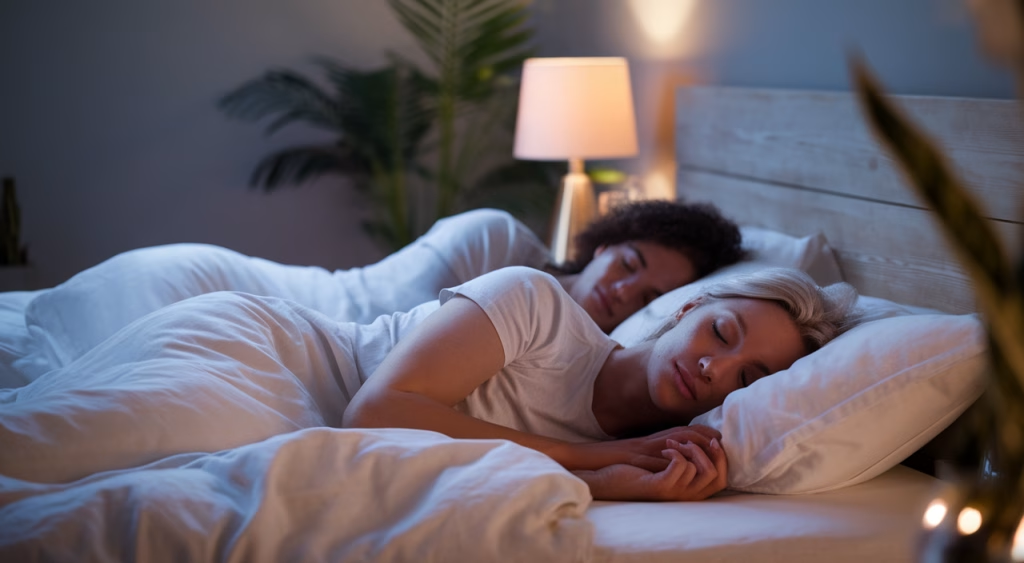
The best sleeping position to reduce both snoring and sleep apnea is side sleeping—specifically on your left side. This position helps keep your airway open by preventing your tongue and soft tissues from collapsing backward, which is the primary cause of snoring and obstructive sleep apnea. When you sleep on your side, gravity works with you instead of against you, maintaining clear airflow throughout the night.
TL;DR – Summary
- Best sleeping position: Side sleeping, especially left side, reduces airway collapse and improves breathing dramatically.
- Worst position: Lying flat on your back increases the risk of airway blockage and severe snoring.
- Game-changing tools: Wedge pillows and adjustable bed bases optimize your elevation angle for better airflow.
- Posture transformation: Even small adjustments to your sleeping position can eliminate sleep apnea symptoms.
- Expert breakthrough: Elevating your upper body by 30–45 degrees promotes optimal airflow for most people with sleep apnea.
Understanding the Impact of Sleeping Positions on Snoring and Sleep Apnea
Snoring and sleep apnea are more than just noisy interruptions—they signal serious respiratory issues that can affect your health. At the core of both conditions lies airway collapse during sleep. Your sleeping position directly controls how your tongue, jaw, and soft palate position themselves, determining whether your airway stays open or becomes blocked.
When you sleep on your back, gravity becomes your enemy. It pulls your tongue and soft tissues toward your throat, creating the perfect storm for airway obstruction. For people with sleep apnea, this collapse doesn’t just cause snoring—it completely stops breathing temporarily, fragmenting your sleep and leaving you exhausted.
Your sleeping position either promotes healthy airflow or creates dangerous blockages. Simply shifting to your side can transform your breathing dynamics overnight, turning restless nights into rejuvenating sleep. The difference between proper and poor sleep posture can literally be life-changing for your health and energy levels.
How Sleep Position Affects Snoring
Different sleeping positions create vastly different outcomes for snoring and sleep quality. Here’s how each position impacts your breathing:
- Back sleeping (supine position): The absolute worst position for snorers. Gravity forces your lower jaw and tongue backward, severely restricting airflow and amplifying vibrations that create loud snoring.
- Stomach sleeping: While it might reduce snoring slightly, this position strains your neck and spine significantly, creating new problems that outweigh any breathing benefits.
- Side sleeping (especially left side): The gold standard sleeping position for snoring relief. It maintains optimal airway alignment, prevents tissue collapse, and minimizes the vibrations that cause snoring.
- Fetal position: An excellent variation of side sleeping for snoring, but avoid curling too tightly as this can restrict breathing and cause joint stiffness.
If you’re waking up with a dry mouth, sore throat, or facing complaints about your snoring, your sleeping position is likely the culprit. The good news? Changing your sleep posture can provide immediate relief and dramatically improve your sleep quality.
The Connection Between Sleep Apnea and Posture
Obstructive sleep apnea (OSA) occurs when your throat muscles relax excessively during sleep, blocking your airway completely. Unlike simple snoring, sleep apnea poses serious health risks including cardiovascular disease, diabetes, and cognitive impairment. Your sleeping position plays a crucial role in preventing these dangerous breathing interruptions.
We’ve witnessed remarkable transformations in patients who simply changed their sleeping position or adjusted their bed elevation. These postural changes work by optimizing your elevation angle, counteracting gravity’s harmful effects on your airways, and maintaining proper head and neck alignment throughout the night.
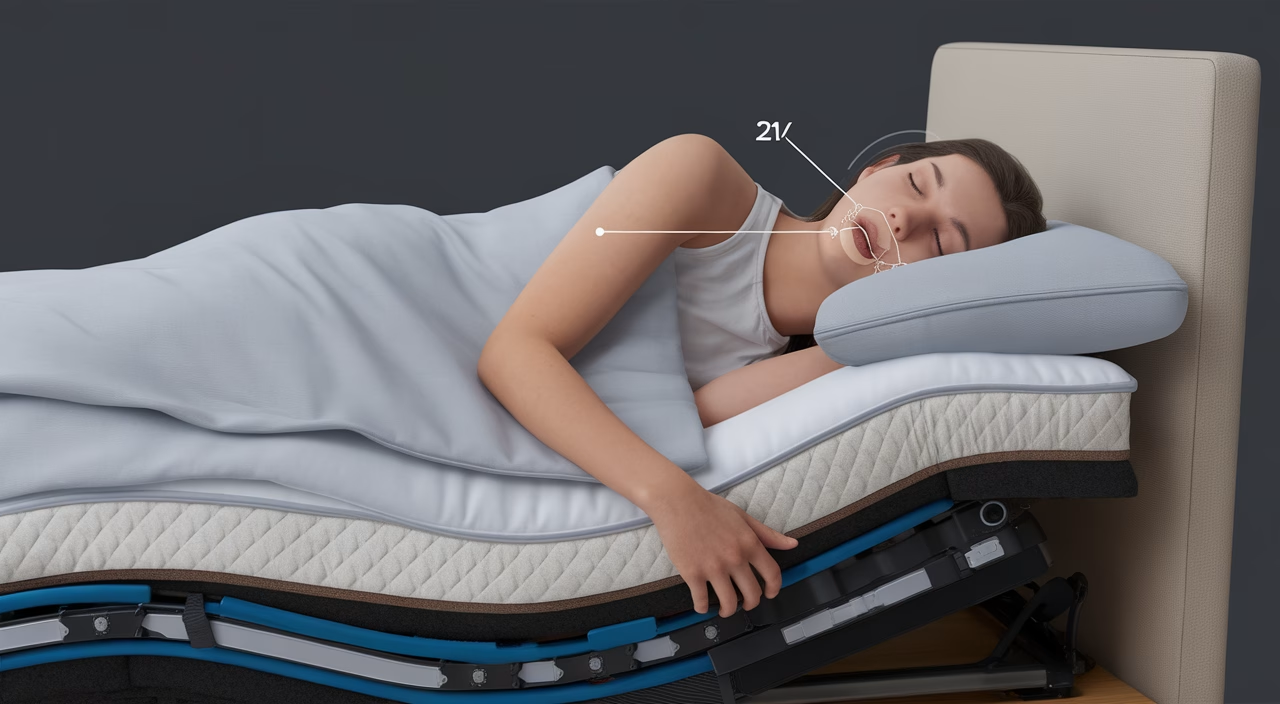
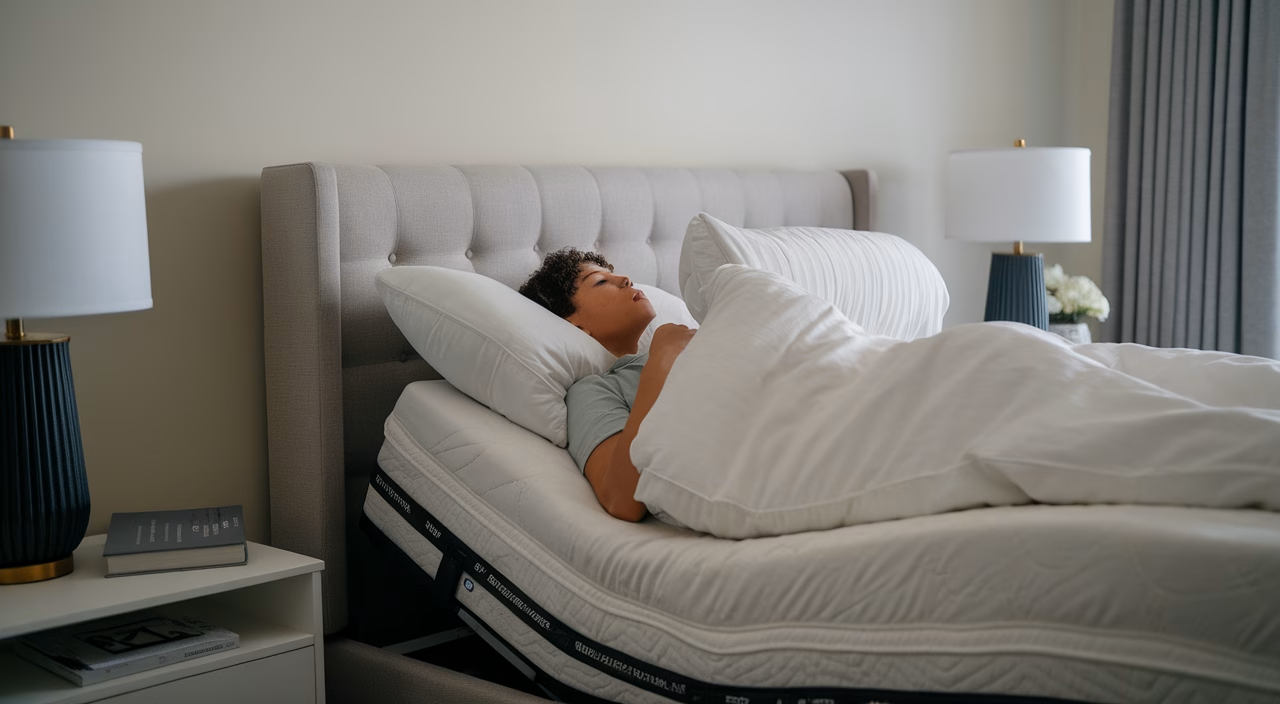
Even modest adjustments—like raising your head 30–45 degrees with a wedge pillow or adjustable bed base—can reduce sleep apnea episodes by up to 50%. This simple change helps gravity work for you instead of against you, keeping your airway open and your breathing steady.
Tips for Improving Sleep Posture
Transforming your sleep posture doesn’t require a complete bedroom makeover. These proven strategies can revolutionize your sleep quality starting tonight:
- Invest in a wedge pillow: This game-changing tool elevates your torso to the optimal angle, preventing airway collapse and supporting natural breathing patterns.
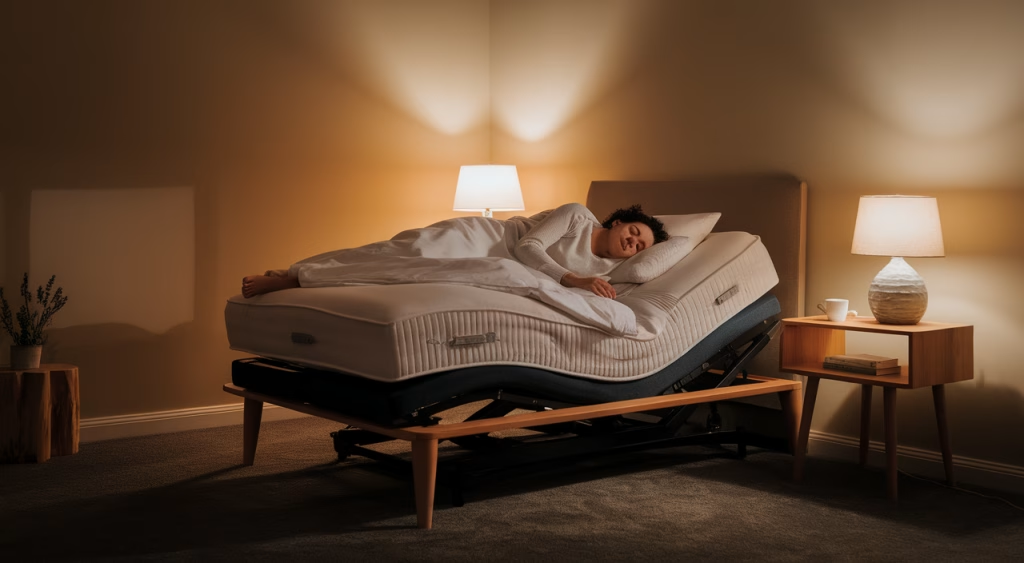
- Upgrade to an adjustable bed base: Fine-tune your head and torso elevation to discover your personal sweet spot for perfect airway alignment.
- Master side sleeping: Use body pillows for support or try the tennis ball trick—sew a tennis ball into the back of your pajama shirt to prevent rolling onto your back.
- Perfect your spinal alignment: Choose pillows that support your neck’s natural curve without elevating your head excessively, maintaining a straight spine from head to toe.
- Optimize your evening routine: Avoid alcohol and heavy meals before bed, as these relax throat muscles and make proper sleeping position even more critical.
Best Sleeping Positions for Snoring and Sleep Apnea
Ready to discover which sleeping position will transform your nights? Here’s our comprehensive comparison of how different positions affect your breathing and sleep quality.
| Sleeping Position | Effect on Snoring | Impact on Sleep Apnea |
|---|---|---|
| Left side sleeping | Excellent – eliminates most snoring | Highly effective – maintains open airway consistently |
| Right side sleeping | Good – significantly better than back sleeping | Moderately effective – substantial improvement over back sleeping |
| Back sleeping with elevation | Dramatically improves airflow when elevated properly | Can be highly effective with correct elevation angle |
| Flat on your back | Poor – maximizes snoring intensity | Dangerous – highest risk of complete airway blockage |
| Stomach sleeping | Mixed results – may reduce snoring but creates neck strain | Not recommended due to spinal misalignment issues |
Cost Guide: Tools That Help Improve Sleep Position
| Item | Low-End | Mid-Range | High-End |
|---|---|---|---|
| Wedge Pillow | $25 | $50 | $100+ |
| Adjustable Bed Base | $300 | $600 | $1,200+ |
| Body Pillow | $20 | $40 | $80+ |
Conclusion: Transform Your Sleep Quality Through Better Posture
Quality sleep isn’t just about time spent in bed—it’s about positioning your body for optimal breathing and recovery. If you or your partner struggle with disruptive snoring or sleep apnea, changing your sleeping position could be the most powerful and affordable solution available.
With the right tools—like a wedge pillow or adjustable bed base—and commitment to developing healthier sleep habits, you can dramatically reduce snoring and sleep apnea symptoms. The journey to better sleep starts with understanding how your body responds to different positions. Remember: the simplest changes often deliver the most profound results for your health and well-being.
Frequently Asked Questions
- What sleeping position is best for reducing snoring?
Side sleeping, especially on your left side, is the most effective sleeping position for eliminating snoring. - Can I use a wedge pillow for sleep apnea?
Yes, wedge pillows elevate your torso to the optimal angle and can significantly reduce sleep apnea episodes by keeping your airway open. - Why is back sleeping bad for snoring?
Back sleeping allows gravity to pull your tongue and throat tissues backward, creating maximum airway obstruction and severe snoring. - How much should I elevate my bed for better breathing?
An elevation angle of 30–45 degrees is the sweet spot for improved airflow and reduced sleep apnea symptoms. - Is stomach sleeping good for snoring?
While it may reduce snoring slightly, stomach sleeping creates neck and spine strain that makes it unsuitable for long-term use. - Will an adjustable bed help with sleep apnea?
Absolutely. An adjustable bed base allows you to find your perfect elevation angle to minimize airway obstruction and improve breathing quality.