How are Depression and Sleep Apnea Connected?
Sleep apnea and depression don’t just coexist—they often feed into each other in a vicious cycle that can leave you feeling physically drained and emotionally defeated. Understanding this connection is the first step toward breaking free from both conditions.
TL;DR: Understanding Depression and Sleep Apnea
- Bi-directional Link: Depression can worsen sleep apnea, while chronic sleep disruption from apnea increases depressive symptoms.
- Common Symptoms: Insomnia, persistent fatigue, irritability, loss of interest, difficulty concentrating, and overwhelming low energy.
- Treatment Synergy: Managing sleep apnea symptoms often improves depression, and vice versa. CPAP therapy, psychological support, and lifestyle changes work together.
- Natural Approaches: Exercise, weight management, mindfulness practices, and dietary changes can ease symptoms of both conditions.
- Hope and Recovery: Many people successfully overcome both depression and sleep apnea with the right comprehensive approach.
The Impact of Sleep Disorders on Mental Health
Ever felt like your energy vanishes before your day even begins? That exhaustion could be more than just poor sleep quality. Sleep apnea—particularly obstructive sleep apnea (OSA)—interrupts your sleep cycles hundreds of times nightly, depriving your brain of oxygen and disrupting crucial restorative processes.
Over time, this chronic sleep disruption leads to far more than daytime drowsiness. We’re talking about memory lapses, emotional instability, and often, the gradual development of clinical depression. Research shows that nearly half of those with untreated sleep apnea experience significant depressive symptoms.
Here’s how the cycle perpetuates itself:
- Sleep Disruption: Sleep apnea fragments deep sleep phases, which are essential for emotional processing and mental resilience.
- Oxygen Deprivation: Chronic low oxygen levels affect brain chemistry and contribute directly to mood disorders.
- Chronic Fatigue: Constant exhaustion leads to hopelessness, irritability, and motivation loss—hallmark signs of depression.
It’s no wonder many people living with untreated sleep apnea say, “I just don’t feel like myself anymore.” The good news? You can reclaim your vitality and mental clarity.
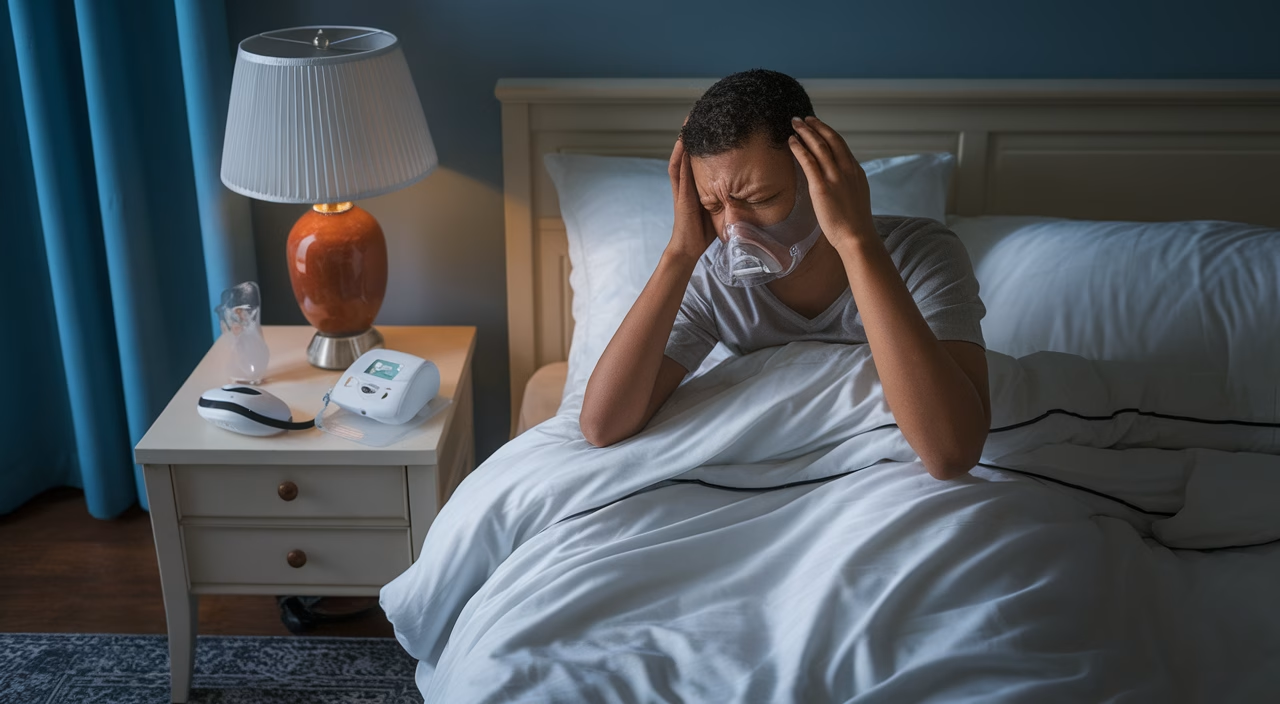
Treatment Options for Managing Depression and Sleep Apnea Symptoms
Here’s encouraging news: you don’t have to treat these conditions separately. Improving your sleep quality can dramatically support your mental health recovery, creating a positive upward spiral.
CPAP Therapy: Your First Line of Defense
For those with moderate to severe sleep apnea, Continuous Positive Airway Pressure (CPAP) therapy can be truly life-changing. By delivering continuous airflow through a comfortable mask during sleep, CPAP keeps your airways open, dramatically reducing apnea episodes and improving oxygen flow to your brain.
Studies consistently show that after just a few weeks of regular CPAP use, people report significantly better sleep quality, improved mood stability, and renewed energy levels. However, consistency remains key—most people need several weeks to fully adjust and experience maximum benefits.
Cognitive Behavioral Therapy for Insomnia and Depression (CBT-I)
This evidence-based therapy focuses on transforming negative thought patterns around sleep and rest while building healthy sleep habits. When combined with CPAP therapy or other medical treatments, CBT-I has demonstrated remarkable improvements in both sleep quality and depressive symptoms.
Medication Considerations
While medication can provide crucial support, especially when depression is severe, choosing the right approach is essential. Some sedatives may actually worsen sleep apnea symptoms. Always work with both a sleep specialist and mental health professional to develop your comprehensive treatment plan.
Holistic Approaches to Improve Sleep Quality and Mental Well-being
If you’re seeking natural remedies for sleep apnea or prefer a holistic path to wellness, several lifestyle modifications can support both better sleep and improved mental health simultaneously.
Nutrition and Diet for Better Sleep
- Anti-inflammatory foods: Omega-3 fatty acids (found in salmon and sardines), leafy greens, and antioxidant-rich berries may reduce airway inflammation and promote healthier sleep patterns.
- Weight management strategies: Excess weight, particularly around the neck area, significantly increases sleep apnea risk. Losing just 10% of your body weight can reduce symptoms dramatically while boosting mood and energy.
Movement and Exercise for Recovery
Regular physical activity naturally boosts serotonin and endorphin production while strengthening the muscles involved in breathing. Activities like yoga, swimming, and brisk walking can significantly aid in managing sleep apnea symptoms while enhancing mental clarity and emotional stability.
Mindfulness, Meditation, and Breathing Practices
Guided meditation and targeted breathwork help reduce cortisol levels while supporting both healthy sleep onset and emotional balance. Think of these practices as rewiring your brain for calm and resilience.
Sleep Hygiene Essentials
- Maintain a consistent sleep schedule—even on weekends—to regulate your circadian rhythm.
- Create an optimal sleep environment: cool, dark, and quiet spaces promote deeper rest.
- Establish a screen-free bedtime routine. Try reading, gentle stretches, or calming music instead.
Expert Tips for Coping with Sleep Apnea and Depression

Sleep Apnea and Depression Coping Strategies That Actually Work
Living with both sleep apnea and depression can feel like continuously climbing uphill through thick fog. But recovery is absolutely possible with the right coping strategies and support system. Here’s what genuinely helps:
- Build consistent routines: Structure and predictability help stabilize your nervous system and create positive momentum.
- Connect with others: Depression thrives in isolation. Regular contact with healthcare professionals, support groups, or trusted loved ones is crucial for recovery.
- Track your patterns: Keep a simple journal of your sleep quality, energy levels, and emotional state. Patterns often reveal important triggers and progress markers.
- Celebrate incremental progress: Even small improvements matter tremendously—whether it’s sleeping 30 minutes longer, feeling less irritable, or having one good day per week.
Cost Guide: What Does Treatment Typically Cost?
| Treatment Option | Low-End Estimate | Mid-Range | High-End |
|---|---|---|---|
| CPAP Machine & Supplies (Annually) | $600 | $1,200 | $2,500+ |
| Psychological Therapy (Per Session) | $60 | $120 | $250+ |
| CBT-I Program (Multi-Week) | $300 | $700 | $1500+ |
| Over-the-counter Supplements | $15 | $40 | $100+ |
Final Thoughts
The connection between depression and sleep apnea is both scientifically established and deeply personal. But here’s the empowering truth: when you actively treat your sleep disorders, you simultaneously nurture your mental health—and vice versa. You don’t have to remain trapped in cycles of fatigue or overwhelmed by persistent depressive symptoms.
By combining targeted medical treatments like CPAP therapy with holistic approaches and emotional support, you can fundamentally reset the patterns that have been weighing you down. If you’ve been trying various approaches without success, don’t lose hope. Recovery is often gradual but can be profoundly transformative.
Quality sleep and robust mental health aren’t luxuries—they’re fundamental life essentials. Together, we can work toward reclaiming both your rest and your joy.
Frequently Asked Questions
What is the natural cure for sleep apnea?
While there’s no single “natural cure,” several natural remedies for sleep apnea can significantly reduce symptoms: weight loss, positional therapy, nasal breathing exercises, reducing alcohol intake, and strengthening throat muscles through specific exercises.
Can treating sleep apnea reduce depression?
Absolutely. Managing sleep apnea symptoms through CPAP therapy, lifestyle changes, and improved sleep quality often leads to substantial improvements in depressive symptoms by restoring proper brain oxygenation and sleep cycles.
Is insomnia a sign of depression or sleep apnea?
Insomnia can be a symptom of both conditions and frequently coexists with depression and obstructive sleep apnea. Professional assessment through sleep studies and mental health evaluation is crucial for accurate diagnosis and effective treatment.
Are CPAP machines effective for everyone with sleep apnea?
Most people with moderate to severe sleep apnea benefit significantly from CPAP therapy, though comfort levels and compliance can vary. It typically takes patience and professional support to adapt successfully and achieve optimal results.
How can I tell if my depression is caused by poor sleep?
Key indicators include morning fatigue despite adequate sleep time, irritability that worsens with poor sleep, concentration issues correlating with sleep disruption, and mood improvements on days when sleep quality is better. Professional sleep studies can help clarify this connection.
Do holistic therapies actually help with both conditions?
Yes. Holistic approaches to mental health like meditation, regular exercise, mindful nutrition, and stress reduction techniques address underlying factors like inflammation, elevated cortisol levels, and poor sleep quality—benefiting both sleep apnea and depression simultaneously.
Can therapy improve both depression and sleep issues?
Absolutely. Specialized therapies like CBT-I address counterproductive beliefs about sleep while building emotional resilience, creating positive feedback loops that support both better sleep quality and improved mental well-being.