
Does Dehydration Cause Snoring?
Yes, dehydration absolutely causes snoring. When your body lacks adequate hydration, it produces thicker, stickier mucus in your nose and throat. This creates congestion and partial airway blockages, leading to the vibrations and sounds we know as snoring during sleep.
TL;DR: Summary
- Dehydration directly triggers snoring by thickening mucus in your airways, creating friction and blockages.
- When you’re dehydrated, your throat tissues become sticky and inflexible, making airflow turbulent and noisy.
- Poor hydration destroys sleep quality as dry airways disrupt smooth, quiet breathing patterns.
- Simple hydration strategies like drinking water consistently throughout the day and limiting dehydrating substances can dramatically reduce snoring.
- Targeted treatments include nasal rinses, humidifiers, and professional support for persistent cases.
Understanding Dehydration-Related Snoring
Most people never connect their daily water intake with their nightly sleep quality — yet this relationship is surprisingly powerful. Have you ever woken up with a parched mouth after a night of loud snoring? That groggy, restless night could be your body’s way of signaling severe dehydration.
Snoring occurs when airflow through your mouth or nose gets obstructed, creating vibrations in the surrounding throat tissues. While factors like nasal congestion, sleep position, and weight contribute to snoring, dehydration is an often-overlooked but critical piece of the puzzle.
Here’s the connection: when dehydration sets in, the mucus lining your nose and throat becomes thick and sticky. This viscous mucus clings to your airway tissues, narrowing your breathing passages and making them more prone to vibration. The result? Loud, disruptive snoring that destroys both your sleep quality and potentially your partner’s rest too.
Understanding this science can help you take control of your snoring naturally.

The Science Behind Dehydration and Snoring
Let’s explore the physiological mechanisms that link dehydration to snoring.
1. Thickened Mucus Creates Airway Blockages
Mucus serves as your respiratory system’s natural defense mechanism — it traps dust, allergens, and harmful microbes. However, for mucus to work effectively, it must maintain proper hydration levels. When you’re dehydrated, this protective mucus becomes thick and viscous, clogging your nasal passages and coating throat tissues instead of facilitating smooth airflow.
This creates the perfect conditions for nighttime snoring as these sticky blockages vibrate violently during breathing.
2. Dehydrated Throat Tissues Lose Essential Flexibility
Your respiratory tract consists of soft, flexible muscles that need adequate moisture to function properly. When dehydration occurs, these tissues lose their natural elasticity and become rigid. Think of trying to inflate a completely dry balloon — the process becomes noisy, strained, and irregular. That’s exactly what happens when dehydrated throat tissues attempt to handle nighttime breathing: turbulent, noisy airflow.
3. Reduced Saliva Production Forces Mouth Breathing
Dehydration significantly reduces saliva production, creating persistent dry mouth. Dry mouth is a well-documented cause of mouth breathing during sleep, which directly worsens snoring. When you breathe through your mouth, you bypass the natural humidification that nasal breathing provides, further drying and inflaming your already compromised airways.
4. The Vicious Dehydration-Snoring Cycle
Snoring itself perpetuates dehydration. People who snore frequently experience fragmented sleep while breathing through an open mouth, losing even more precious moisture throughout the night — creating a self-reinforcing cycle of dehydration and worsening snoring.
Symptoms of Dehydration-Induced Snoring
How can you determine if dehydration is the root cause of your snoring? While professional sleep studies provide definitive diagnosis, several telltale signs point toward dehydration-related snoring:
- Waking up with an extremely dry mouth or scratchy, sore throat
- Snoring that becomes noticeably worse on hot days or after intense workouts
- Dramatically louder and more persistent snoring after consuming alcohol
- Restless, fragmented sleep coupled with severe daytime fatigue
- Frequent nighttime awakenings due to dry mouth, coughing, or choking sensations
Dehydration-related snoring often coincides with lifestyle changes like reduced fluid intake, increased fluid loss from sweating, travel, intense exercise, or illness.
Preventive Measures to Avoid Dehydration-Related Snoring
Staying ahead of dehydration can significantly minimize or completely eliminate its role in your snoring. Prevention begins with establishing practical, daily hydration habits that optimize your sleep environment.
1. Maintain Consistent Water Intake Throughout the Day
Don’t wait until nighttime to chug water desperately. Space your fluid intake evenly across the day — aim for 8–10 cups for most adults, adjusting based on climate, physical activity, and body size. If plain water feels boring, add fresh citrus slices, cucumber, or herbs like mint to make hydration more appealing.
2. Limit Dehydrating Alcohol and Caffeine
Love that evening glass of wine or afternoon coffee? Stay mindful of their dehydrating effects. Both alcohol and caffeine act as diuretics, pulling precious water from your system. When consuming either substance within four hours of bedtime, drink extra fluids to compensate for the moisture loss.
3. Use a High-Quality Bedroom Humidifier
During colder months or in naturally dry climates, indoor humidity levels can drop so dramatically they dry out your respiratory tract overnight. A quality humidifier restores optimal moisture balance and keeps the air throat-friendly throughout your sleep.
4. Monitor Your Salt and Sugar Consumption
Excessive sodium or sugar in your diet can severely strain your body’s cellular hydration. Consider incorporating whole foods with high natural water content — like cucumbers, melons, and leafy greens — as hydrating dinner options that support overnight moisture retention.
5. Perfect Your Fluid Timing Strategy
Common problem: drinking too much water late at night and waking up repeatedly for bathroom breaks. The solution? Stop excessive fluid intake 1–2 hours before sleep while focusing on heavy hydration during morning and afternoon hours.
Treatment Options for Dehydration-Associated Snoring
Prevention works best, but what if you’re already dealing with dehydration-induced snoring? Here are targeted treatments to alleviate symptoms and restore peaceful, quiet breathing.
1. Saline Nasal Sprays and Rinses
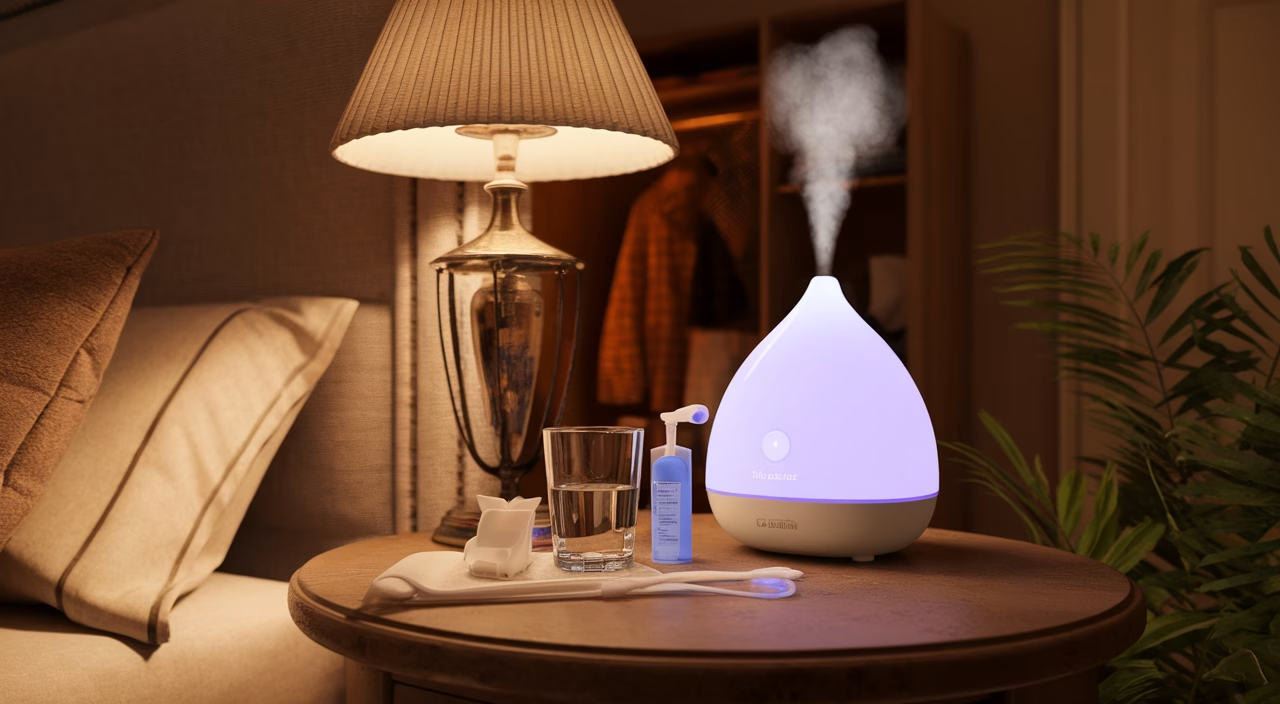
Gentle saline rinses using distilled water can effectively clear thickened mucus buildup and reduce nasal congestion before bedtime, opening your airways for better breathing.
2. Adopt a Hydration-Rich Diet
Incorporate water-dense foods like watermelon, tomatoes, cucumbers, and nutrient-packed smoothies with leafy greens. Nourishing bone broth and caffeine-free herbal teas also support your body’s hydration levels naturally.
3. Use Oral Hydration Supplements
High-quality electrolyte packets or low-sodium hydration mixes can rapidly restore your body’s internal fluid balance. These work especially well before bedtime or after dehydrating workouts.
4. Try Mouth Tape or Chin Straps
Specially designed products that gently encourage nasal breathing can keep your mouth closed overnight — preventing moisture loss and reducing the mouth breathing that worsens snoring.
5. Consult Professionals for Chronic Cases
If improved hydration strategies aren’t resolving your snoring, consult a sleep specialist promptly. Persistent snoring could indicate sleep apnea or other serious conditions requiring professional medical treatment.
Cost Guide: Snoring Relief Solutions
| Product/Service | Low-End | Mid-Range | High-End |
|---|---|---|---|
| Humidifier | $20 | $50 | $100+ |
| Saline Rinse Kit | $5 | $15 | $30 |
| Electrolyte Supplements (1-month supply) | $10 | $25 | $40+ |
| Doctor Consultation | $80 | $120 | $250+ |
Conclusion: Transform Your Sleep Quality Through Better Hydration
You might never have considered water as your most powerful sleep aid, but proper hydration could be your secret weapon in the battle against disruptive nightly snoring. If you’re experiencing dry throat sensations, sticky mouth feelings, or constantly disturbed sleep, it’s time to seriously evaluate and improve your hydration habits.
By listening to your body’s hydration needs and combining smart water intake with proven sleep hygiene practices, you can dramatically reduce dehydration-related snoring and finally enjoy the deep, restorative rest you deserve.
Start small. Hydrate better. Sleep soundly.
Frequently Asked Questions
Can dehydration cause snoring?
Yes, dehydration thickens mucus and dries tissues in your throat and nose, leading to increased vibration and snoring.
How much water should I drink to avoid snoring?
Most adults should aim for 8–10 cups per day, adjusting based on activity level, environment, and health.
Does drinking water before bed help reduce snoring?
Yes, but timing matters. Drink water steadily throughout the day and stop about 1–2 hours before bedtime to avoid disruptions.
Can a humidifier stop snoring?
In many cases, yes. A humidifier adds moisture to dry airways, helping to reduce irritation and snoring from dehydration.
Are certain foods helpful for staying hydrated at night?
Water-rich foods like cucumber, melon, and leafy greens support hydration. Including them in your evening meals helps your body retain moisture overnight.
What’s the fastest way to rehydrate before bed?
Drink water with a pinch of salt or an electrolyte drink an hour before bed to balance fluid absorption quickly.
How does alcohol affect dehydration and snoring?
Alcohol dehydrates your body while relaxing throat muscles, both of which contribute to louder and more frequent snoring.