

Is Sleeping on the Floor Good for Your Back?
In many traditional cultures, sleeping on the floor has been the norm for centuries. But does this practice hold any modern merit, especially when it comes to your spinal health? The answer largely depends on your body, your current health concerns, and — most importantly — your sleep posture. Sleeping on a hard surface like the floor may encourage better spine alignment and a more neutral spine position for some individuals, potentially relieving chronic back pain. That said, it’s not a one-size-fits-all solution for everyone seeking to improve sleep quality.
TL;DR Summary
- Supports spine alignment: Floor sleeping can help maintain a neutral spine position, promoting natural sleep posture and back health.
- May improve sleep posture: A firmer surface discourages collapsing into poor positions and supports optimal sleep position.
- Natural approach: Many cultures have naturally adopted this posture with long-term benefits for sleep quality.
- Side effects possible: Increased joint pressure, initial discomfort, or poor circulation if not done correctly.
- Not ideal for everyone: Individuals with certain conditions (e.g., bony prominences, arthritis, or very low BMI) may find floor sleeping painful or disruptive to sleep.
- Affordable & minimalist: Floor sleeping needs minimal bedding, reducing expenses compared to traditional mattresses.
The Science Behind Sleep Posture
Benefits of Maintaining Spine Alignment

A well-aligned spine during sleep is like a well-tuned car — everything runs smoothly, and wear and tear are minimized. When your spine maintains its natural S-curve through proper sleep posture, stress on intervertebral discs, muscles, and ligaments is minimized.
Modern plush mattresses can cause our bodies to sink, especially around the hips or shoulders. This misalignment may create pressure points and strain areas over time. On a firmer surface like the floor, your pelvis and shoulders are supported more evenly, which can encourage you to adopt healthier sleeping positions — particularly on your back or side. This natural sleep posture can significantly improve sleep quality.
Physiotherapists often encourage clients with back pain to focus on posture not only when standing or sitting, but while sleeping. Floor sleeping may naturally nudge you toward an optimal sleep position — a hidden bonus for those suffering from chronic stiffness or morning backaches.
Exploring the Practice of Sleeping on the Floor
How Floor Sleeping Affects Sleep Quality
When it comes to sleep quality, firmness and spine alignment go hand in hand. A study published in the journal Applied Ergonomics found that firmer sleep surfaces significantly improved spinal alignment scores versus softer beds. However, perceived comfort was initially lower, largely due to the adjustment period. This is where many people give up on floor sleeping too soon.
Think of it like barefoot running — you’re using structures that have been underutilized. At first, floor sleeping might feel too hard or cold, but within a few weeks, many notice a deeper, more restorative sleep cycle. Why? Because your body naturally starts to reposition itself to reduce pressure load and adopt better sleep posture.
Certain sleeping positions — like side-lying with a pillow between the knees or lying flat on your back with a small cushion under your knees — can enhance the benefits of floor sleeping and help you achieve optimal sleep position for spine alignment.
Potential Side Effects to Consider
Let’s be honest — transitioning to floor sleeping isn’t all sunshine and spinal health. The most common side effects of sleeping on the floor include:
- Joint pressure: Bony areas such as hips, knees, and shoulders may feel tender against hard floors without proper padding.
- Cold exposure: Floors may conduct cold, which can disrupt sleep quality. Using layers or natural fiber mats can help.
- Discomfort for people with conditions: For those with arthritis, fibromyalgia, or recent surgeries, floor sleeping may aggravate rather than improve symptoms.
It’s also important to consider hygiene, allergens, and insects if you’re sleeping directly on a bare surface. Always use a clean, breathable layer between your body and the floor to maximize the benefits of sleeping on the floor.
Personal Experiences with Floor Sleeping
Anecdotes from Individuals Who Have Tried It
Many individuals have taken the plunge into floor sleeping as a natural correction for poor sleep posture, back pain, or even to improve sleep quality. Here’s what we’ve observed:
- One individual with chronic lumbar pain reported waking up with noticeably less stiffness after just ten days of sleeping on a yoga mat and folded blankets, showing clear benefits of sleeping on the floor.
- A side sleeper found that adding a thin floor futon and a pillow between their knees almost entirely resolved their lower back spasm episodes through better spine alignment.
- Several reported increased clarity during the day, likely due to entering deeper sleep cycles at night and achieving better sleep quality.
But floor sleeping isn’t for everyone. People with very low BMI often report that the floor creates painful pressure points, while others find side sleeping uncomfortable without body support, experiencing negative side effects of sleeping on the floor.
That’s why experimentation is key — and so is patience during the adaptation phase to fully experience the benefits of sleeping on the floor.
Tips for Transitioning to Floor Sleeping
Creating a Comfortable Sleeping Setup
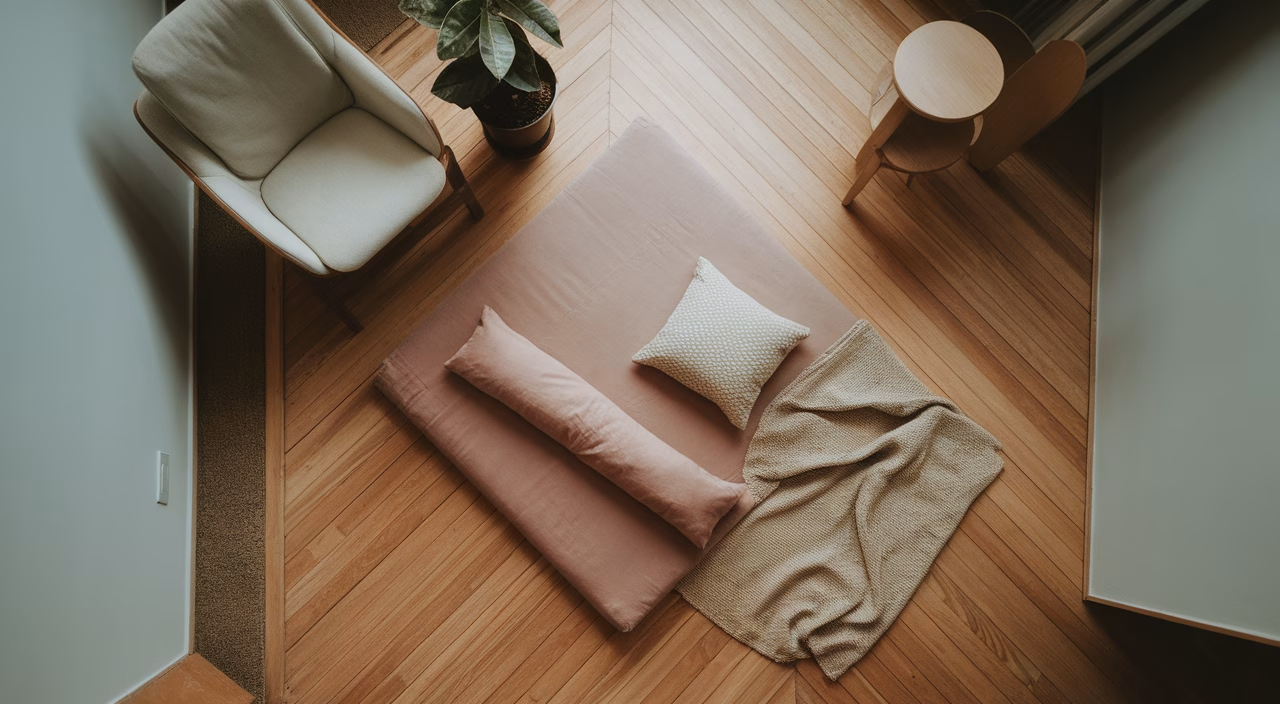
Don’t just toss a blanket on the hardwood and call it a night. Here’s how to ease into floor sleeping safely and effectively to improve sleep quality:
- Start gradually: Begin by napping or sleeping part of the night on the floor to allow your body to adjust to this natural sleep posture.
- Layer smartly: Use firm yoga mats, thin futons, wool blankets, or tatami mats to provide better pressure distribution and spine alignment.
- Mind your pillow: A low-profile pillow or even a towel can help keep cervical spine alignment intact for optimal sleep position.
- Know your position: Side sleepers may need an extra pillow between knees; back sleepers should place one under knees to maintain proper sleep posture.
- Keep it warm: Place insulating layers between the floor and your sleeping body to avoid temperature disruption and maximize sleep quality.
Cost Guide: Floor Sleeping vs Traditional Mattress
| Setup | Estimated Cost (USD) |
|---|---|
| Yoga mat + blanket | $50 – $100 |
| Thin futon or floor bed | $120 – $300 |
| Tatami mat setup | $200 – $400 |
| Traditional memory foam mattress | $500 – $1500+ |
Conclusion: Is Floor Sleeping Right for You?
Sleeping on the floor isn’t just a wellness trend; it’s a return to a more instinctual behavior that supports natural sleep posture and spine health. For many, it can be a gateway to improved sleep quality, relief from back pain, and a more mindful approach to physical wellbeing through better sleep posture.
However, floor sleeping isn’t suitable for everyone. Take into account your health conditions, comfort preferences, and willingness to adapt over time. If you’re using it to correct pain or posture issues, consult a physical therapist or chiropractor to build a transition plan that’s safe and effective. Understanding both the benefits of sleeping on the floor and potential side effects of sleeping on the floor will help you make an informed decision about whether this natural sleep posture approach can help you improve sleep quality.
Frequently Asked Questions
- Is sleeping on the floor good for your back?
- Yes, for many people, floor sleeping can support natural spine alignment, improve sleep posture, and reduce lower back pain. However, it’s not suitable for all body types or conditions.
- Why does my body hurt after sleeping on the floor?
- This is usually due to a lack of cushioning, improper sleep posture, or an adjustment period as your body adapts to this natural sleep position.
- How can I make floor sleeping more comfortable?
- Use a thin mat or futon, layer blankets, maintain correct pillow placement for spine alignment, and wear warm clothing to stay insulated.
- Is there anyone who shouldn’t sleep on the floor?
- Yes, anyone with osteoporosis, joint pain, recent injuries, or certain neurological disorders should avoid this practice unless cleared by a professional.
- How long does it take to get used to floor sleeping?
- It varies by person, but most people need between 1 to 3 weeks to fully adapt to floor sleeping and experience improved sleep quality.
- Can children or elderly people benefit from floor sleeping?
- Only if it’s safe and comfortable for them. Elderly individuals may struggle with standing up from the ground and should be cautious about potential side effects of sleeping on the floor.
- Does sleeping on the floor help with posture?
- When done with proper support and positioning, floor sleeping can encourage natural spine alignment and optimal sleep position, helping improve posture over time.