Can Allergies Really Cause You to Snore More?
Yes, absolutely. Allergies aren’t just a daytime nuisance—they can be a major culprit behind your nighttime snoring. When you’re dealing with allergies and snoring together, you’re facing one of the most common yet overlooked sleep disruptors.
TL;DR: Summary
- Allergies and snoring are closely connected, especially when nasal passages become inflamed or congested.
- Common culprits like dust mites, pet dander, and seasonal pollen are often overlooked.
- Allergy-induced snoring can disrupt sleep for you and your partner.
- Identifying and reducing allergy triggers is key to breathing freely at night.
- Simple steps, from air purifiers to nasal rinses, can help you reduce snoring caused by allergies.
Understanding the Link Between Allergies and Snoring
Ever woken up feeling groggy, only to be told you were snoring like a freight train? If you also experience allergy symptoms—stuffy nose, sneezing, itchy eyes—there’s a good chance the two are connected.
When allergens enter your nasal passages, your immune system kicks into high gear. This triggers inflammation, mucus buildup, and narrowed airways, all of which make normal breathing during sleep more difficult. The result? Vibrating tissues and—you guessed it—snoring.
Allergy-related airflow obstruction is one of the most overlooked snoring causes. With allergic rhinitis, the inner lining of your nose becomes swollen, leading to increased mouth breathing and louder snores. We see this pattern repeatedly in our practice—patients who never connected their seasonal allergies with their nighttime snoring problems.

How Allergies Contribute to Snoring
Let’s break down exactly how allergies and snoring work together to disrupt your sleep.
- Nasal Congestion: Allergy-induced swelling makes airways narrow and airflow turbulent—like blowing through a crinkled straw.
- Mouth Breathing: When your nose is blocked, you’ll default to breathing through your mouth. This dries your throat and vibrates the soft palate, causing snoring.
- Postnasal Drip: Allergies produce excess mucus, which trickles down your throat and irritates your airway during sleep.
- Chronic Inflammation: Long-term allergic rhinitis keeps your airways in constant inflammation, preventing the relaxation needed for restorative sleep.
If you thought your snoring was just an annoying habit, it might actually signal you’re reacting to allergens in your environment. Understanding this connection is the first step to reduce snoring caused by allergies.
Identifying Allergy Triggers for Improved Sleep
Not all allergies look or feel the same at night. Some are seasonal, others happen throughout the night in the comfort of your own bed. To get control over your sleep issues, identifying these culprits is crucial for managing allergies and snoring effectively.
Here are the most common allergy triggers for snoring:
| Allergen | Where It’s Found | Snoring Impact |
|---|---|---|
| Dust Mites | Mattresses, pillows, carpet | Chronic nasal congestion |
| Pollen | Open windows, outdoor air | Seasonal swelling and sneezing |
| Pet Dander | Bedding, upholstery, clothing | Triggers allergic rhinitis |
| Mold | Bathrooms, basements, humidifiers | Worsens respiratory inflammation |
We often underestimate what’s lurking in our own homes. That cozy pet bed your cat loves? It’s a hotbed for dander and hair. Or that plush carpet? Packed with microscopic dust mites. Identifying these allergy triggers for snoring can dramatically improve your nighttime breathing.
Managing Allergies to Reduce Snoring
Here’s the good news: once you know your triggers, you can start managing them—and that’s when you’ll start to experience real snoring relief through allergy management.
Let’s explore evidence-backed ways to manage allergies and snoring day and night:
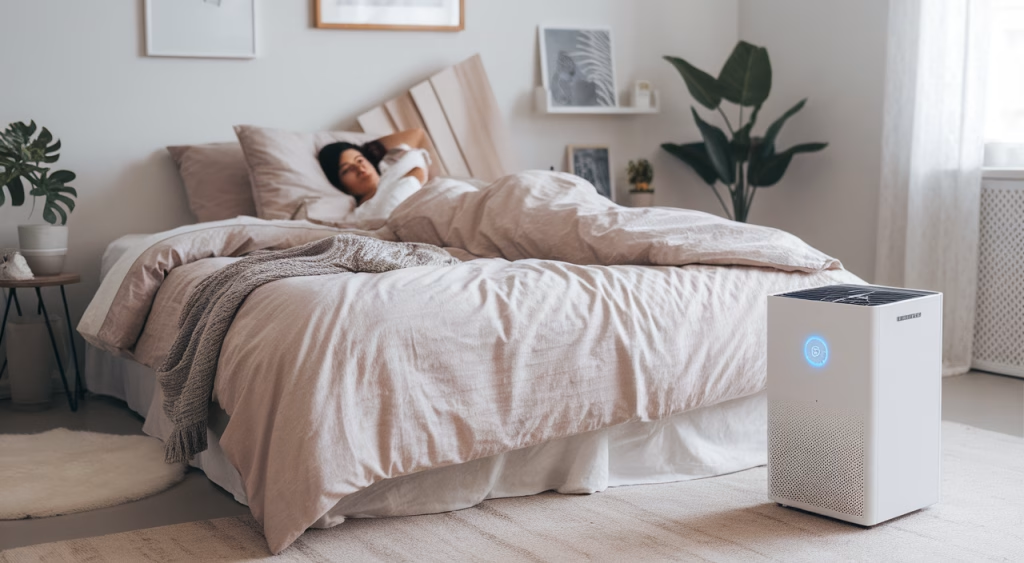
- HEPA Air Purifiers: Trap airborne allergens before they reach your nose and trigger allergy-induced snoring.
- Anti-Allergy Bedding: Use dust mite-proof covers on pillows and mattresses to create a barrier against common triggers.
- Rinse Regularly: A saline nasal rinse before bed unclogs your nose and washes out pollen and dust particles.
- Shower at Night: Removes outdoor allergens from skin and hair to avoid transferring them to your pillow.
- Vacuum with HEPA Filters: Regular deep cleaning reduces allergens embedded in fabrics and rugs throughout your bedroom.
If symptoms persist despite these efforts, consider visiting an ENT or allergist. In many cases, identifying sensitivity to specific allergens through testing can open the door to targeted immunotherapy or medication to reduce snoring caused by allergies.
Cost Guide: Allergy & Snoring Management Solutions
| Solution | Typical Cost |
|---|---|
| HEPA Air Purifiers | $80–$300+ |
| Nasal Rinse Kits | $10–$35 |
| Anti-Allergy Bedding | $50–$200 |
| Allergy Testing (ENT Clinic) | $150–$500 |
| Prescription Allergy Medications | $20–$150/month |
| Allergen Immunotherapy (Shots) | $1,000–$4,000/year |
Budgeting for these options may seem daunting, but even minor improvements—like switching to hypoallergenic pillowcases—can yield noticeable results when you’re working to reduce snoring caused by allergies.
Tips for a Good Night’s Sleep
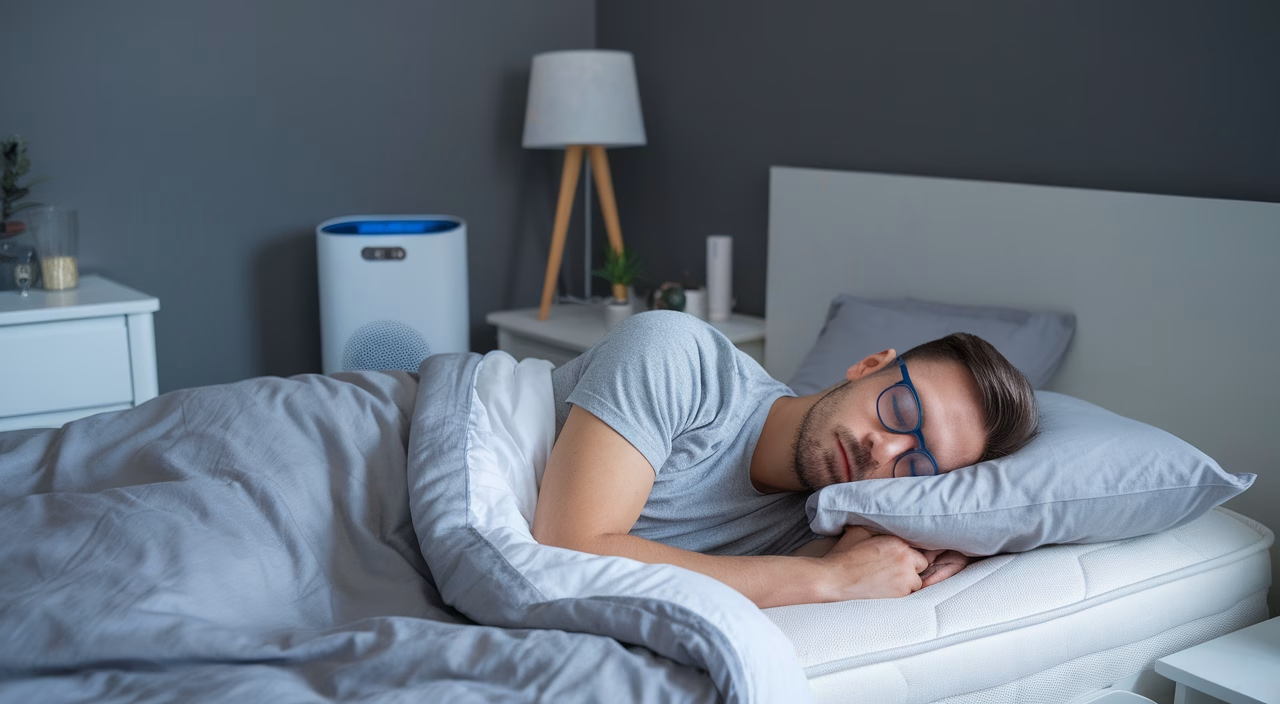
Once your allergies and snoring are under better control, your sleep quality can drastically improve. Here are expert ENT-approved strategies for ongoing snoring relief through allergy management:
- Sleep Elevated: Use a slightly raised pillow setup to help sinuses drain and reduce allergy-induced snoring.
- Establish a Routine: Consistent sleep-wake times help regulate your body’s natural rhythms and immune responses.
- Limit Bedroom Allergen Entry: Keep pets out, shut windows during pollen seasons, and change clothes before bed to minimize exposure.
- Humidify Wisely: Dry air can irritate your throat—but too much moisture breeds mold. Keep humidity at 40–50% for optimal breathing.
- Wear Nasal Strips: These mechanically open nasal passages during sleep to reduce airflow resistance caused by allergic rhinitis.
Remember, the goal is simple: open nasal passages, steady breathing, and silent restful sleep free from allergy triggers for snoring.
Conclusion
Snoring is more than a nightly nuisance—it can be a red flag that your allergies are working overtime. With expert-backed strategies to manage allergies and snoring, you can reclaim not only quiet nights but healthier, deeper sleep.
If you’re tired of snoring and suspect an allergic connection, start by identifying triggers around your home. From better bedding to targeted nasal care, small changes can lead to significant snoring relief through allergy management.
As an ENT specialist, we’ve seen firsthand how addressing allergy-induced snoring changes lives. No gimmicks. Just clear airflow—pure and simple—with proven science behind every recommendation.
Frequently Asked Questions
- Do allergies increase snoring?
Yes. Allergies cause nasal inflammation and congestion, which block airflow and lead to more mouth breathing and snoring. - What’s the best way to reduce snoring caused by allergies?
Identify your allergy triggers and eliminate them from your sleep environment. Use saline rinses, HEPA filters, and allergy-safe bedding. - Can managing allergies improve overall sleep quality?
Absolutely. When breathing improves, you stay in deeper sleep stages longer—and wake up more refreshed. - How do I know if my snoring is allergy-related?
If it worsens during allergy seasons or you experience symptoms like sneezing or nasal congestion, allergies are likely contributing. - Should I see an ENT for snoring and allergies?
Yes, if home remedies haven’t helped. ENT specialists can evaluate your nasal anatomy and perform allergy testing if needed. - Is allergic rhinitis dangerous if untreated?
While not life-threatening, chronic rhinitis can lead to sleep deprivation, fatigue, and increased risk of sinus infections.