
Can Allergies Make Snoring Worse—And What Can You Do About It?
Absolutely. Allergies make snoring worse by causing nasal congestion, airway inflammation, and reduced airflow during sleep. This leads to louder, more frequent snoring—and long nights for you and your sleep partner. Fortunately, targeting the root cause with the right treatments can dramatically reduce or eliminate snoring caused by allergies.
TL;DR: Quick Summary
- Yes, allergies make snoring worse—congestion and inflammation block your nasal passages
- Nasal steroid sprays and non-sedating antihistamines reduce inflammation and symptoms
- Lifestyle changes like avoiding allergens and using HEPA filters also help
- Effective natural remedies include nasal rinses, elevation, and hydration
- With consistency, you can reduce snoring caused by allergies naturally and sleep peacefully again
Understanding the Link Between Allergies and Snoring
Ever wondered why your snoring gets worse when pollen counts rise or when dust builds up indoors? That’s no coincidence. Allergies are an underappreciated culprit behind many snoring cases, contributing to nighttime breathing difficulties that disrupt your rest.
Here’s what happens: allergic reactions trigger swelling in your nasal passages, increased mucus production, and postnasal drip. Suddenly, instead of breathing freely, you’re forced to inhale and exhale through compromised airways. The result? Air vibrates past soft tissues in your throat—and you snore loudly.
Many people are surprised when allergy treatment also solves their snoring problem. Yet the connection is biological and straightforward: when allergies make snoring worse by compromising your nasal airways, your body compensates—noisily—during sleep.
Importance of Addressing Allergies for Better Sleep
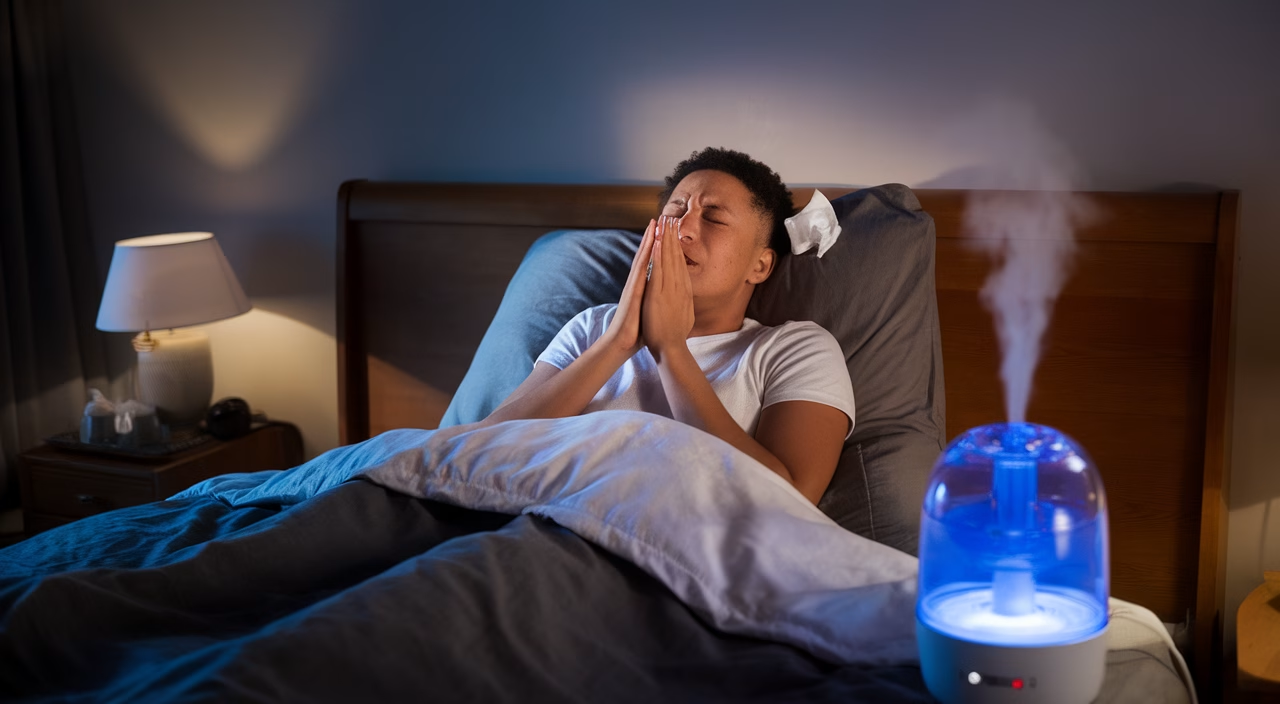
Sleep isn’t just about logging hours—it’s about quality rest. And if allergies are robbing you of oxygen-rich, uninterrupted sleep, you’re paying a steep price the next day in the form of fatigue, brain fog, and irritability.
Ignoring chronic nasal congestion can pave the way for more serious conditions like sleep apnea, high blood pressure, and even heart disease. But here’s the good news: simple interventions can dramatically enhance sleep quality and help you reduce snoring caused by allergies naturally.
Effective Treatments for Allergy-Induced Snoring
Now let’s dive into the treatments that actually work. If you’re dealing with snoring rooted in allergic reactions, the goal is reducing nasal congestion and keeping your airways open throughout the night.
Nasal Steroid Sprays: How They Help
Nasal steroid spray treatments are often a first-line defense against allergy-induced snoring. These sprays shrink inflamed nasal tissues and decrease mucus production. Essentially, they bring calm to your irritated nasal passages so you can breathe clearly and quietly again.
Here’s what people frequently notice: after just a few days of consistent nasal steroid spray use, nighttime breathing improves significantly, and snoring diminishes. However, daily use is key for lasting relief from allergies that make snoring worse.
Non-Sedating Antihistamines: Relief for Allergic Reactions
Think of antihistamine treatments as your anti-itch, anti-drip, anti-sniff toolkit. These medications block histamine—the chemical responsible for sneezing, runny nose, and nasal congestion. Choosing a non-sedating antihistamine formula is crucial since drowsy medications can actually worsen snoring.
In practice, combining antihistamines with nasal steroid spray provides double-duty defense against allergic reactions and snoring. We recommend consulting your doctor to find the right combination for your specific symptom profile.
Lifestyle Changes to Reduce Snoring and Improve Sleep Quality
Medications help, but your environment matters tremendously too. Making your space allergy-friendly might be the most sustainable long-term solution for naturally reducing snoring caused by allergies.
- Use air purifiers with HEPA filters: They trap dust, pollen, and pet dander that trigger allergic reactions
- Wash bedding weekly: Hot water (130°F/54°C) kills dust mites and removes allergens
- Shower before bed: This removes allergens clinging to your skin and hair
- Keep pets out of the bedroom: Pet dander can cling to upholstery and make snoring worse
Your bedroom should be a sanctuary from allergens, not a stimulus zone for sneezes and stuffy noses. Evaluate your space from top to bottom for sources that might be causing allergic reactions and worsening your snoring.
Tips for Managing Nasal Congestion and Snoring
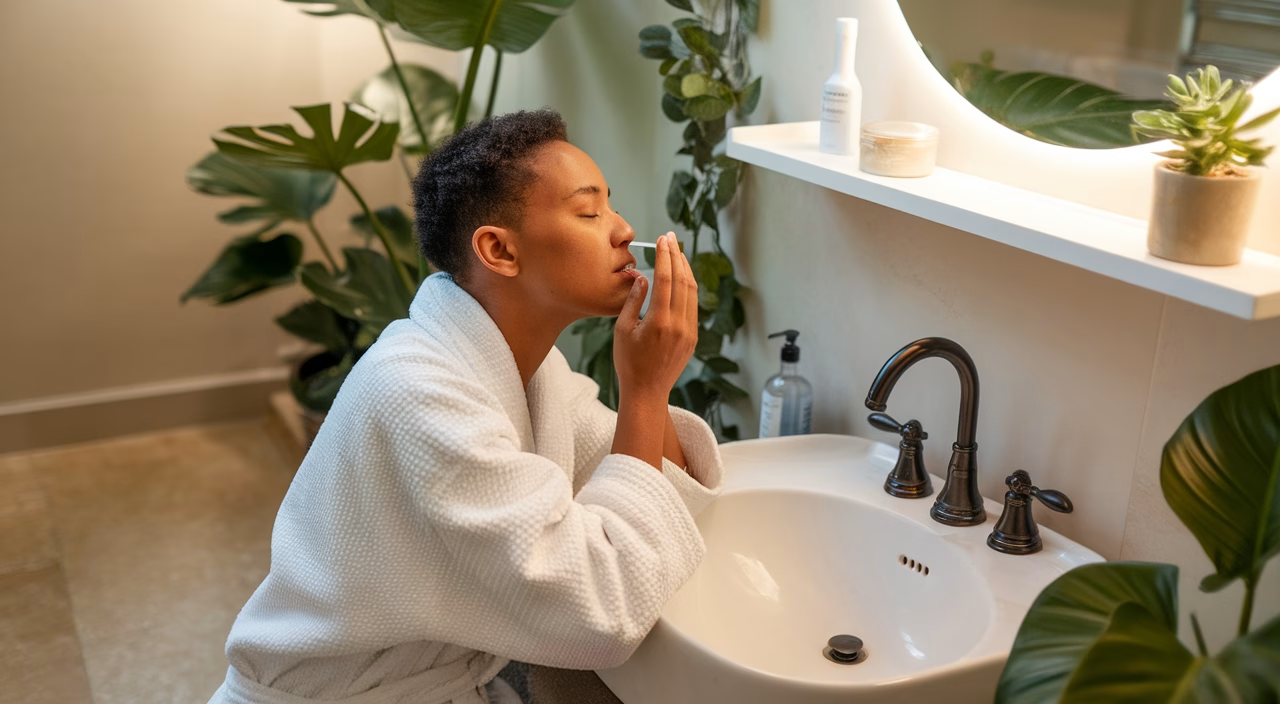
Getting ahead of nasal congestion means fewer nights of mouth breathing—which often leads to loud snoring. Try these proven tips to keep your nasal passages flowing freely and reduce snoring caused by allergies:
- Elevate your head with a wedge pillow to allow sinuses to drain naturally
- Use a saline nasal rinse daily to flush out allergens and soothe inflamed tissues
- Stay well-hydrated: Thin mucus moves more easily through your nasal passages
- Limit alcohol before bed: It relaxes throat muscles and can make allergies and snoring worse
Cost Guide: What to Expect for Treatment Options
| Treatment Type | Low-End Cost | Mid-Range Cost | High-End Cost (Specialist Visit) |
|---|---|---|---|
| Nasal steroid spray | $10/month | $25/month | $50 (consult included) |
| Antihistamines (non-sedating) | $5 | $15 | $30 (prescription formulation) |
| Allergy-proofing your home | $50 (basic filters) | $150 (HEPA purifier) | $400 (whole-room setup) |
Conclusion: Enjoy Restful Nights Free from Allergy-Related Snoring
Snoring isn’t just a noisy inconvenience. When allergies make snoring worse, it’s a wake-up call—literally and metaphorically—that your body is struggling to breathe efficiently during sleep.
The upside? Once you manage your allergic reactions—whether through nasal steroid spray, antihistamine treatments, environmental adjustments, or natural remedies—you invite deeper, more restorative sleep into your life. That means better concentration, stronger immune function, and much quieter nights for everyone.
So whether you’re sensitive to pollen, dust, or pet dander, take back control of your sleep. When you successfully reduce snoring caused by allergies, everything else gets better too—your energy, your relationships, and your overall health.
Frequently Asked Questions
- How do I know if allergies are causing my snoring?
If your snoring worsens during allergy seasons or improves with antihistamines, allergies may be the root cause. - What antihistamine is best for snoring?
Non-sedating antihistamines are ideal because they won’t relax throat muscles or make you overly sleepy. - Can nasal steroid sprays be used long-term?
Yes, most are safe for daily use and effective when used consistently. - Are there natural ways to reduce allergy-induced snoring?
Yes, nasal irrigation, allergen-proof bedding, and HEPA air filters are excellent non-medical strategies. - Do air purifiers really help with snoring?
They reduce airborne allergens, which in turn may reduce congestion-related snoring. - Can children snore from allergies?
Absolutely. Allergies can cause enlarged adenoids and congestion in kids, leading to snoring. - Should I see an ENT for allergy snoring?
Yes—especially if you’ve tried general remedies without improvement. ENT specialists can assess deeper nasal or structural issues.