
Is Snoring a Warning Sign of Heart Disease?
Yes, studies increasingly show that snoring and heart disease are closely linked—especially when snoring becomes disruptive or chronic. Often tied to obstructive sleep apnea, chronic snoring may strain your heart through repeated drops in oxygen levels and disrupted sleep patterns that create significant cardiovascular stress.
TL;DR: Snoring and Heart Disease — What You Need to Know
- Snoring and heart disease share a dangerous connection—chronic snoring could signal serious heart risk.
- Obstructive sleep apnea is a common cause of chronic snoring and creates hypertension correlation, diabetes risk, and stroke potential.
- Snoring prevention tips like weight loss, sleep posture changes, and reduced alcohol intake can protect your heart.
- Treatments range from CPAP therapy to oral appliances and surgery.
- Addressing the snoring and heart disease connection early can improve your cardiovascular health and quality of life.
Understanding Snoring and Its Health Implications
1.1 What Causes Snoring?

Snoring occurs when airflow through your mouth and nose becomes partially blocked during sleep, causing surrounding tissues to vibrate. That familiar sound signals turbulence in your airway—and potentially, the beginning of the snoring and heart disease connection. But what triggers this blockage?
- Obstructive positioning: Sleeping on your back causes your tongue to fall backward, narrowing your airway.
- Excess weight: Fat around the neck compresses airways and increases both snoring and heart disease risk.
- Alcohol and sedatives: These substances over-relax throat muscles during sleep.
- Nasal congestion: Allergies or sinus issues force mouth breathing, worsening snoring patterns.
Occasional snoring isn’t necessarily concerning—but when it becomes nightly, loud, or interrupted by gasping, you’re looking at potential obstructive sleep apnea and elevated heart risks.
1.2 How Snoring Can Impact Your Heart Health
Here’s where the snoring and heart disease connection becomes critical. We now understand that chronic snoring places enormous strain on your cardiovascular system. Breathing pauses from obstructive sleep apnea cause oxygen levels to plummet repeatedly throughout the night.
Think of your body hitting emergency brakes dozens of times each hour. This stress response activates hormonal systems that elevate blood pressure, promote inflammation, and force your heart to work overtime. The result creates a dangerous hypertension correlation and contributes to:
- Elevated blood pressure: High blood pressure becomes common in snorers with sleep apnea.
- Significant diabetes risk: Poor sleep disrupts glucose metabolism and insulin regulation.
- Higher stroke and heart attack likelihood: Interrupted breathing accelerates plaque buildup and triggers dangerous heart rhythms.
Unveiling the Link Between Snoring, Sleep Apnea, and Heart Disease
2.1 Exploring Obstructive Sleep Apnea
Obstructive sleep apnea represents the most dangerous form of the snoring and heart disease connection. In this condition, throat muscles relax excessively during sleep, causing complete airway collapse. The frightening result? Breathing stops for 10 seconds or more—sometimes 30–100 times per hour.
How does this devastate your heart long-term? The constant oxygen drops and surges wreak havoc on endothelial cells, increase sympathetic nervous system activity (your “fight or flight” response), and place chronic strain on your entire cardiovascular system.
According to the American Heart Association, people with severe obstructive sleep apnea face significantly higher risks for heart rhythm disorders like atrial fibrillation, heart failure, and coronary artery disease—making the snoring and heart disease link undeniable.
2.2 Snoring as a Predictor of Heart Disease Risk
A loud or gasping snore might not seem life-threatening—but it could be your cardiovascular system sounding the alarm. Research reveals that people experiencing the snoring and heart disease connection often report symptoms including:
- Morning headaches and persistent dry mouth
- Overwhelming daytime fatigue despite adequate sleep time
- Memory problems and concentration difficulties
These symptoms signal poor cardiovascular and neurological performance. One landmark study published in Sleep demonstrated that individuals with untreated moderate-to-severe obstructive sleep apnea had dramatically higher cardiovascular death rates compared to the general population—highlighting how serious the snoring and heart disease connection truly is.
Cost Guide: Managing Snoring and Sleep Apnea
| Treatment | Estimated Cost Range | Notes |
|---|---|---|
| CPAP Machine | $500–$1500 | Highly effective for moderate to severe OSA |
| Oral Appliance (Mouth Guard) | $300–$2000 | Custom fitting recommended |
| Surgery (e.g., UPPP) | $2000–$10,000 | Depends on procedure and geography |
| Sleep Study (Polysomnography) | $800–$3000 | Required for diagnosis |
Managing Snoring and Protecting Heart Health
3.1 Lifestyle Changes for Better Sleep
If you want to break the snoring and heart disease cycle at its source, start with changes targeting both weight management and airway health. These proven snoring prevention tips can protect both your sleep and cardiovascular system:
- Sleep on your side: Side sleeping keeps airways more open than back sleeping, reducing both snoring and heart disease risk.
- Achieve healthy weight loss: Even a 10% weight reduction can dramatically improve obstructive sleep apnea symptoms and cardiovascular health.
- Avoid alcohol before bedtime: Alcohol relaxes throat muscles and strengthens the dangerous snoring and heart disease connection.
- Maintain consistent sleep schedules: Regular sleep patterns improve sleep quality and reduce cardiovascular stress.
These lifestyle modifications can create surprising improvements—breaking the snoring and heart disease cycle while enhancing your overall well-being.
3.2 Medical Treatments for Snoring and Sleep Apnea
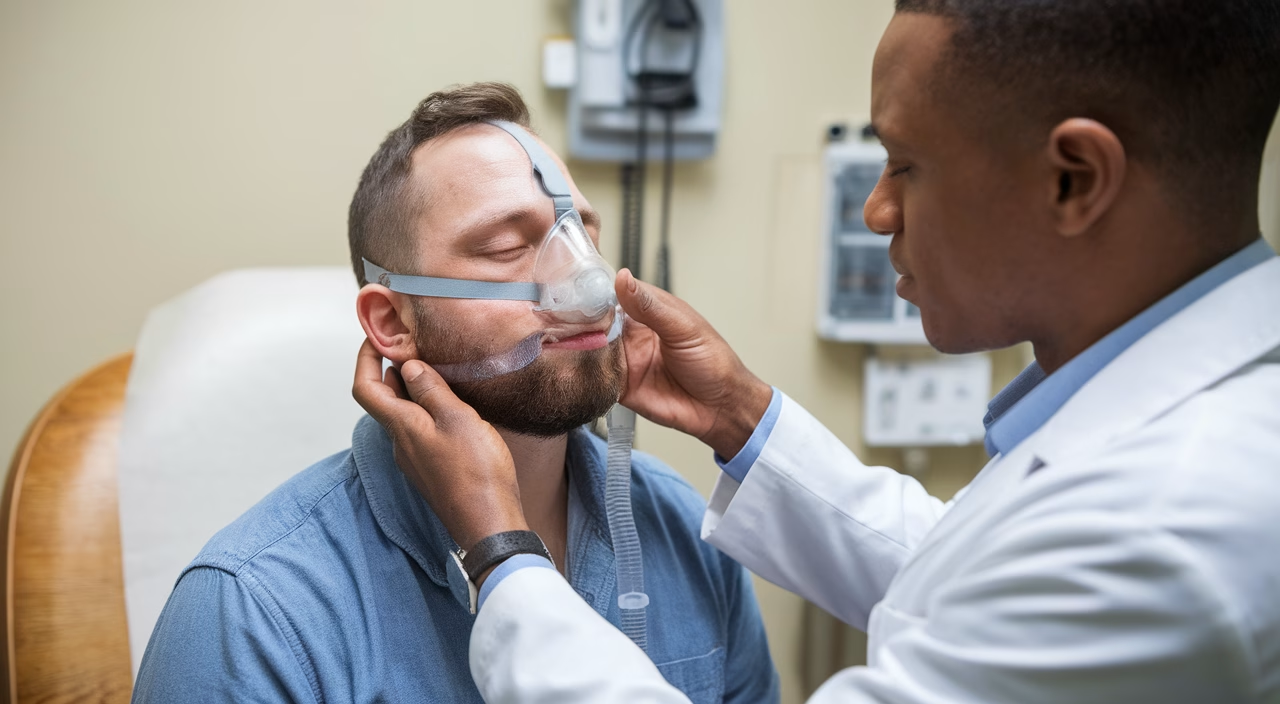
When lifestyle changes alone can’t break the snoring and heart disease connection, don’t ignore persistent symptoms—especially if you’re experiencing apneic episodes. Several highly effective medical interventions can address both snoring and underlying cardiovascular risks:
- CPAP Therapy: The gold standard for obstructive sleep apnea, Continuous Positive Airway Pressure maintains open airways throughout the night, significantly reducing heart disease risk.
- Oral Appliances: These custom mouthguard-like devices reposition your jaw or tongue to prevent airway collapse and protect cardiovascular health.
- Nasal Dilators: Particularly useful for anatomical or allergy-related airway obstruction.
- Surgical Options: Procedures such as UPPP or Inspire therapy may be recommended for severe cases where the snoring and heart disease connection poses serious health risks.
Your healthcare provider can develop a personalized treatment plan based on your specific symptoms, anatomy, and sleep study results to effectively address both snoring and cardiovascular concerns.
Final Thoughts: Don’t Ignore the Hum of Warning
The snoring and heart disease connection is often overlooked or dismissed, but when you examine the evidence, chronic snoring could be your cardiovascular system desperately trying to signal distress. As sleep specialists, we’ve witnessed countless times how addressing snoring doesn’t just improve rest—it literally saves lives by protecting heart health.
Take the snoring and heart disease link seriously. Seek professional sleep evaluation. Your loved ones—and your heart—depend on it.
Frequently Asked Questions
Does snoring lead to heart problems?
Yes. The snoring and heart disease connection is well-established. Chronic snoring, especially when linked to obstructive sleep apnea, significantly raises your risk of hypertension, heart attack, stroke, and dangerous heart rhythms by causing oxidative stress and sleep fragmentation.
What are signs that my snoring is more serious?
Warning signs of a dangerous snoring and heart disease connection include loud, nightly snoring accompanied by gasping, breathing pauses, extreme daytime fatigue, morning headaches, and concentration problems—all potential indicators of sleep apnea.
Can treating snoring improve heart health?
Absolutely. Treatments that restore normal breathing during sleep—like CPAP therapy or oral appliances—can break the snoring and heart disease cycle, significantly lowering blood pressure and reducing cardiovascular risk factors.
Is surgery a viable option for stopping snoring?
When structural issues contribute to the snoring and heart disease connection, surgery may be considered. The decision depends on your specific anatomy, symptom severity, and response to other therapies.
Are there natural ways to reduce snoring for good?
Yes. Snoring prevention tips like maintaining healthy weight, avoiding alcohol, adjusting sleep posture, and treating allergies are often highly effective at reducing mild snoring and protecting against the snoring and heart disease connection.
How do I know if I have sleep apnea?
Professional sleep studies provide the most accurate diagnosis. Common signs suggesting a serious snoring and heart disease connection include loud snoring, gasping for air, morning headaches, and excessive daytime sleepiness despite adequate sleep time.
Is snoring always a sign of poor health?
Not always. Occasional or quiet snoring may be harmless. However, chronic or disruptive snoring—especially with other risk factors—should be evaluated to determine if a snoring and heart disease connection exists.