
Can snoring cause high blood pressure or affect your heart health?
Yes — frequent snoring can be more than just disruptive to those around you. It may be a red flag for underlying health issues, particularly in relation to blood pressure and heart health. Snoring, especially when associated with sleep apnea, has been linked to elevated blood pressure levels and increased risk of cardiovascular disease.
TL;DR Summary
- Snoring and hypertension are closely linked — untreated snoring may increase blood pressure over time.
- Conditions like sleep apnea interrupt breathing and strain your cardiovascular system.
- Simple lifestyle changes such as weight loss, posture adjustment, and avoiding alcohol can significantly reduce snoring.
- Snoring remedies include nasal strips, humidification, and positional therapy; more advanced cases may need CPAP or oral devices.
- Healthy sleep habits and tracking symptoms can help protect both your sleep and your heart.
The Connection Between Snoring and Hypertension
Ever wondered why you wake up tired even after a full night’s sleep, or why your blood pressure is creeping up despite a healthy lifestyle? Snoring might be the missing piece in your health puzzle. Studies show a strong correlation between habitual snoring and hypertension (high blood pressure). This link becomes more alarming in individuals with obstructive sleep apnea — a condition marked by repeated pauses in breathing during sleep, often accompanied by loud snoring.
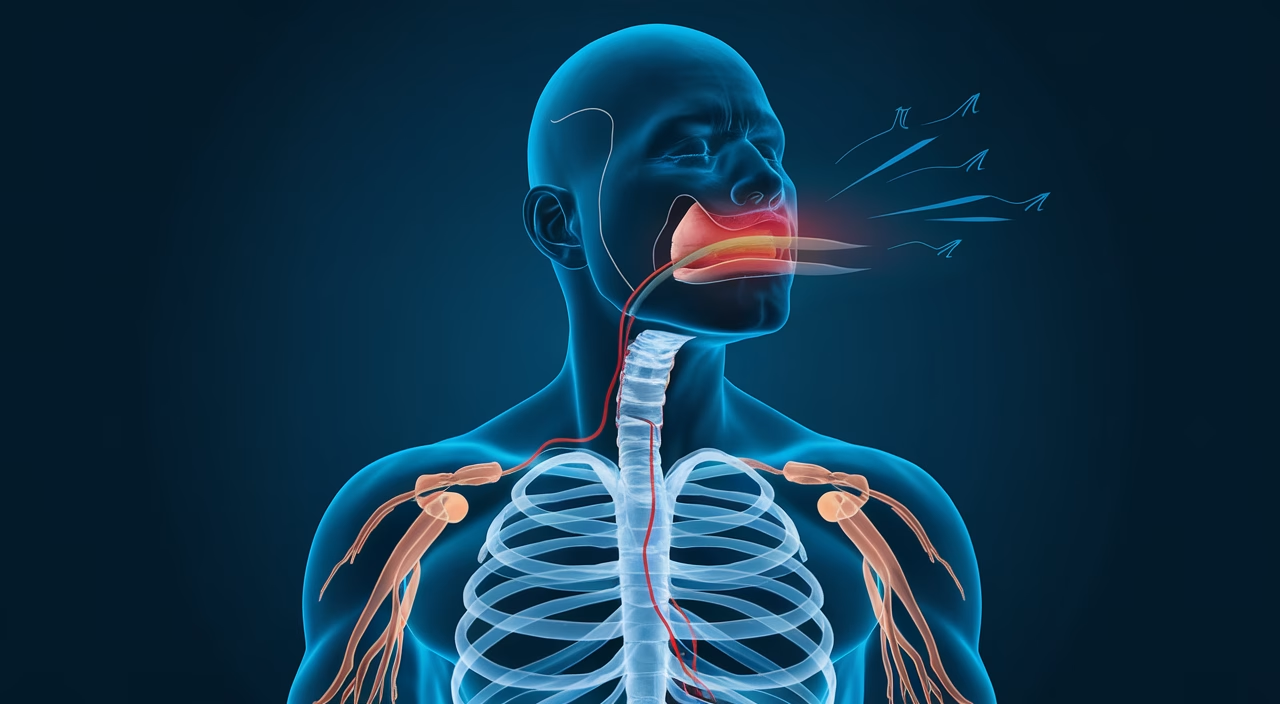
When your airway becomes partially blocked during sleep, your oxygen levels drop. As a result, your body triggers a stress response: the nervous system releases adrenaline-like hormones, which raise your blood pressure. Over time, these nightly events contribute to persistent hypertension, leading to wear and tear on your blood vessels, heart, and organs.
It’s a vicious cycle. Poor sleep leads to high blood pressure, and high blood pressure further degrades sleep quality. That’s why tackling the snoring and hypertension connection is so critical for long-term cardiovascular health.
Understanding the Impact of Snoring on Blood Pressure
If you’ve ever caught yourself gasping awake at night or been told you’re a loud snorer, your cardiovascular system may be under chronic stress. Here’s how snoring and hypertension work together:
- Each time your airway closes or narrows, your oxygen levels fall (hypoxia).
- Your body responds by tightening the blood vessels to boost oxygen delivery.
- This action spikes your blood pressure — even while you’re sleeping.
- Over time, these episodes hardwire your body into a hypertensive state.
These frequent nightly blood pressure surges contribute to what’s known as “non-dipping” blood pressure — when your pressure doesn’t fall at night like it should. This pattern is strongly associated with higher risks of stroke, heart attack, and other cardiovascular complications.
Tips and Remedies to Reduce Snoring
If you’re ready to break the cycle of poor sleep and high blood pressure, the good news is there are plenty of proven snoring remedies and tips to explore. Many of them are surprisingly simple and don’t require medication or expensive equipment.
How to Reduce Snoring Naturally
- Sleep on your side: Back sleeping can cause the tongue and soft tissues to collapse into the throat, worsening snoring. Try a body pillow or tennis ball shirt trick to maintain side sleeping position.
- Maintain a healthy weight: Excess weight, particularly around the neck, compresses airway tissues and significantly worsens both snoring and hypertension.
- Avoid alcohol before bed: Alcohol relaxes throat muscles more than normal, increasing the chance of airway blockage and louder snoring.
- Clear nasal passages: Use saline sprays or a neti pot before bed to relieve congestion that contributes to mouth breathing and snoring.
- Establish consistent sleep schedule: Regular bedtime helps regulate breathing patterns and reduces nighttime awakenings.
Best Pillows for Snorers
Changing your pillow might seem minor, but it can create dramatic improvements in both snoring and sleep quality. The best pillows for snorers are designed to align the neck and open the airway:
- Contour pillows: These cradle the head and support the neck’s natural curve, reducing airway compression.
- Wedge pillows: By elevating the upper body, they reduce pressure on airways and minimize snoring episodes.
- Adjustable memory foam pillows: They adapt to your unique shape, keeping your airway open throughout the night.
Effective Breathing Exercises for Snoring Relief
- Diaphragmatic breathing (belly breathing): Trains proper breathing mechanics that reduce snoring intensity and improve oxygen flow.
- Buteyko method: Focuses on nasal breathing and slowing respiration rate to reduce airway turbulence.
- Oropharyngeal exercises: These strengthen weak mouth and throat muscles — addressing a root cause of snoring and hypertension.
Lifestyle Changes for Better Sleep and Blood Pressure
Addressing snoring isn’t just about achieving quieter nights—it’s about comprehensive health protection. Here are the most effective long-term lifestyle habits that tackle snoring and heart health simultaneously.
Healthy Habits to Stop Snoring
- Stay hydrated: Proper hydration prevents mucus membrane dryness, which reduces airway friction and snoring sounds.
- Quit smoking: Smoking increases inflammation in the airway, significantly worsening both snoring and hypertension risks.
- Exercise regularly: Physical activity helps maintain healthy weight and improves respiratory muscle tone — both vital for reducing snoring and managing blood pressure.
Snoring Solutions for Better Sleep
- Sleep trackers: Monitor snoring episodes and disturbances to get insights into your sleep patterns and breathing issues.
- Humidifiers: Moist air keeps nasal passages less irritated and prevents the mouth breathing that worsens snoring.
- Quality mattress: Firm yet responsive beds promote optimal sleep posture without sagging that compromises the airway.

Seeking Professional Help for Snoring Issues
While natural strategies work for many people with mild snoring, persistent loud snoring could signal a serious condition like sleep apnea and hypertension. If someone has witnessed you stop breathing during sleep or if you wake up gasping for air, speak to a healthcare professional immediately. A sleep study (polysomnography) can monitor how your body functions at night and identify breathing disorders.
Professional treatment options often include:
- CPAP therapy: Delivers continuous air pressure to keep the airway open throughout the night.
- Oral appliances: Custom devices that reposition the jaw and tongue to prevent airway blockage.
- Surgical options: In select cases, removing or tightening excess tissue may provide long-term relief.
Work with a sleep specialist to find the most effective treatment for your specific condition and comfort needs. Your cardiovascular system — and your overall health — will benefit significantly.
Cost Guide: Options for Snoring Management
| Method | Low-End | Mid-Range | High-End |
|---|---|---|---|
| Pillows for snoring | $20 | $50 | $120+ |
| Nasal strips/sprays | $5 | $15 | $30 |
| Custom oral devices | N/A | $300 | $1000+ |
| Sleep study | $150 | $500 | $3000+ |
Final Thoughts
When it comes to the dangerous link between snoring and hypertension, awareness is your first line of defense. What seems like a harmless nighttime habit could actually be your body’s urgent cry for help. Thankfully, you’re not powerless in this situation. Simple but strategic adjustments — from how you position yourself during sleep to what lifestyle choices you make — can dramatically improve your sleep quality, lower your blood pressure, and strengthen your heart health.
If you or a loved one snores most nights, don’t ignore these warning signs. Listen to your body, take action early, and address the root causes systematically. Better sleep, improved cardiovascular health, and quieter nights are all achievable goals within your reach.
Frequently Asked Questions
- Can snoring raise blood pressure?
Yes, especially in cases involving sleep apnea. Interrupted breathing triggers stress responses that elevate blood pressure throughout the night. - Is snoring always a sign of a heart problem?
Not always, but chronic loud snoring can contribute over time to cardiovascular risks — particularly when combined with symptoms like daytime fatigue. - What’s the best way to stop snoring naturally?
Effective natural approaches include weight management, avoiding alcohol, sleeping on your side, and practicing breathing exercises to strengthen airway muscles. - Should I see a doctor if I snore?
Yes, especially if your snoring is loud, frequent, or accompanied by choking, gasping, or persistent daytime exhaustion. - How does sleep apnea relate to hypertension?
Sleep apnea causes repeated drops in oxygen levels that strain the heart and boost blood pressure — often without obvious symptoms during the day. - How can sleep posture affect snoring?
Sleeping on your back allows throat muscles to relax and collapse, making airway obstruction (and resulting snoring) much more likely. - Are anti-snoring pillows effective?
Yes, quality anti-snoring pillows help maintain proper airway alignment through better neck and head positioning, though individual results may vary.