
What’s the most effective way to stop snoring naturally?
The most effective way to stop snoring naturally is by combining targeted home remedies for snoring, correcting your sleep position, managing nasal congestion, and adopting healthy lifestyle changes. This multi-pronged approach not only reduces the intensity of snoring but also addresses its root causes for long-lasting relief.
TL;DR: Your Action Plan to Stop Snoring
- Target common causes: Snoring is often triggered by sleep position, nasal congestion, and poor sleep hygiene.
- Switch your sleep style: Sleeping on your side can significantly reduce or eliminate snoring for many people.
- Try nasal strips: These lift your nostrils open and can improve airflow, reducing airway obstruction.
- Adopt a healthier lifestyle: Losing excess weight, quitting smoking, and cutting back on alcohol help immensely.
- Stay consistent: Natural snoring remedies and habits work best when practiced regularly.
Understanding the Causes of Snoring
Snoring is more than just frustrating noise—it’s a sign that something’s blocking the way air flows through your upper airway while you sleep. Relaxed throat muscles, nasal obstructions, inflamed tissues, or even sleeping posture can lead to loud vibrations as air tries to push through.
How Sleep Position Affects Snoring

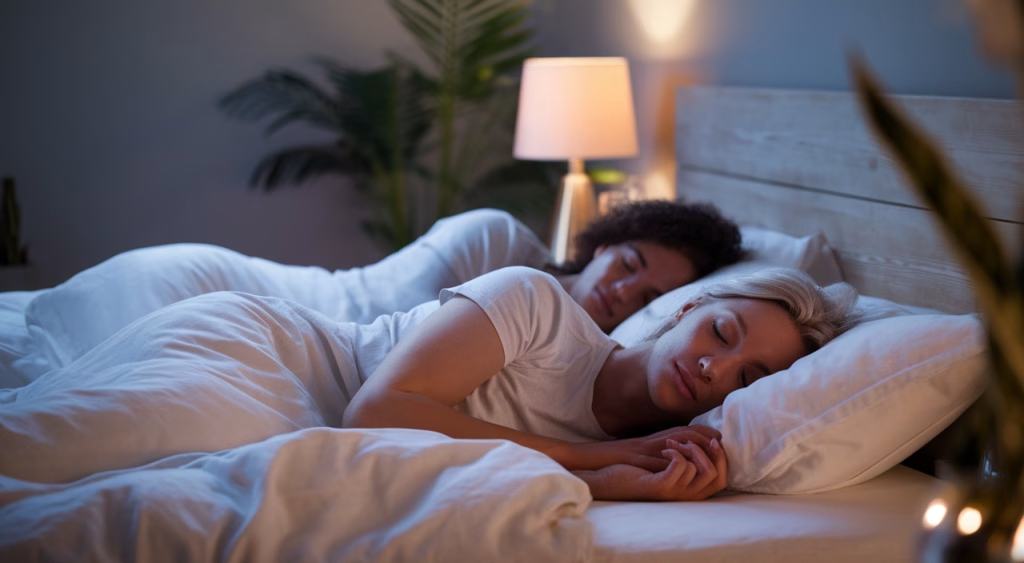
When you lie on your back, gravity works against you. Your tongue and soft palate are pulled backward, narrowing the airway and leading to obstructed breathing sounds—aka snoring. Side-sleeping helps keep air passages clearer, decreasing both the volume and frequency of snoring episodes.
Impact of Nasal Congestion on Snoring
Imagine trying to breathe through a bent straw. That’s what it’s like when nasal congestion triggers snoring. Whether it’s from allergies, colds, or chronic inflammation, blocked nasal passages force you to breathe through your mouth—triggering vibrations in the soft tissues of your throat.
Home Remedies for Snoring
Thankfully, many proven and easy-to-implement home remedies for snoring start right at home. Let’s explore these natural solutions that can help you stop snoring naturally.
Sleep Position Tips to Reduce Snoring
Sleep position and snoring share a very close connection. Here are some practical sleep position tips to help adjust your posture for silent nights:
- Train yourself to sleep on your side: Use a body pillow or sew a tennis ball into the back of your pajama shirt to discourage back-sleeping.
- Raise the head of your bed: Elevating your upper body by a few inches can reduce airway compression.
- Avoid overly soft pillows: These might cause your neck to bend or your jaw to drop back during the night.
Lifestyle Changes to Help Stop Snoring
Sometimes small shifts in your daily habits can make a big impact. These effective lifestyle changes help you breathe easier and sleep deeper while reducing snoring:
- Shed extra weight: Excess fat—especially around your neck—compresses air passages, increasing snoring risk.
- Limit alcohol (especially before bed): Alcohol relaxes throat muscles, inviting turbulence in your airway.
- Quit smoking: Smoking inflames your upper airway, increasing mucus and reducing airflow.
- Follow a consistent sleep schedule: Poor sleep makes throat muscles more limp and prone to vibration.
Using Nasal Strips for Snoring Relief
Nasal strips for snoring are often overlooked but surprisingly effective stop snoring remedies. These adhesive strips lift the sides of your nose slightly to expand nasal passages. More space means better airflow—and when your breathing improves, your snoring usually quiets down.
They’re especially helpful if your snoring is related to allergies, congestion, or narrow nasal passages. Plus, they’re drug-free, easy to apply, and cause no side effects for most people. Use them overnight and track how you feel in the morning—you may be surprised by the results.
Tips for Better Sleep and Less Snoring
Let’s explore ways you can minimize snoring by optimizing your total sleep environment with these natural snoring remedies:

- Use a humidifier: Dry air can irritate throat membranes. A humidifier keeps the airway moist and flexible.
- Try essential oils cautiously: Peppermint or eucalyptus may soothe inflamed tissues and open airways.
- Practice good nighttime routines: Aim for a dark, quiet, cool, and device-free bedroom.
- Do throat and mouth exercises: Strengthening airway muscles through exercises reduces snoring over time.
Cost Guide: How Much Do Snoring Remedies Cost?
| Remedy Type | Low-End | Mid-Range | High-End |
|---|---|---|---|
| Nasal Strips | $5 (per box) | $10-$15 | $20+ |
| Pillows & Positional Aids | $15 | $30-$50 | $75+ |
| Humidifiers | $20 | $40-$60 | $100+ |
| Essential Oils | $8 | $15-$30 | $40+ |
Conclusion: Silence the Night with Effective Remedies
Snoring doesn’t just disrupt your sleep—it can strain relationships and signal deeper health concerns. But with natural snoring remedies, proper sleep positioning, and lifestyle changes to help stop snoring, you can minimize or even eliminate snoring. Start with simple solutions like nasal strips for snoring and sleep position adjustments, and gradually adopt broader lifestyle changes for full-body—and full-night—relief.
It’s time to give both you and your bed partner the sweet silence of uninterrupted sleep. Small changes with these home remedies for snoring really can make a big, quiet difference.
Frequently Asked Questions
Can snoring be cured completely?
In many cases, yes. If your snoring is caused by lifestyle factors like weight, alcohol, or sleep position, it can be dramatically reduced or eliminated through natural remedies and changes.
Is snoring always a sign of sleep apnea?
No, not always. While snoring is a common symptom of sleep apnea, not all snorers have the condition. If your snoring is loud and accompanied by choking or gasping, consult a healthcare provider.
Do anti-snoring devices really work?
Some do, especially positional sleep aids, nasal dilators, and mouthpieces. Their effectiveness depends on the root cause of your snoring.
How long until I see results from natural remedies?
Many people notice small improvements within a few nights when changing sleep positions or using nasal strips. Long-term results come from consistent application of multiple remedies.
Is snoring dangerous?
Occasional snoring is often harmless, but chronic snoring can point to underlying conditions like obstructive sleep apnea. It can interfere with quality sleep and should be addressed.
Do children snore too?
Yes, children can snore—often due to enlarged tonsils or allergies. If your child snores regularly, consult a pediatrician to determine the cause.
Can exercise help stop snoring?
Definitely. Regular cardiovascular and strength exercises, along with throat-specific exercises, help tone muscles and promote better breathing during sleep.