
What Are the Best Natural Snoring Remedies for Restful, Quiet Sleep?
When snoring steals your sleep—and your bed partner’s peace—it’s time to explore real, natural solutions. The best natural snoring remedies combine simple lifestyle changes with a deeper understanding of what causes the noise in the first place. From adjusting how you sleep to what you eat and how you breathe, conquering snoring naturally is more attainable than you might think.
TL;DR Summary
- Snoring happens when airflow is obstructed during sleep, often due to sleep position, nasal congestion, or weak airway muscles.
- Change sleep position—side sleeping can reduce snoring significantly compared to back sleeping.
- Lose weight to stop snoring—extra weight can compress airways and worsen snoring.
- Avoid alcohol for snoring—especially before bed as it relaxes airways excessively.
- Open nasal passages—natural steam, hydration, and saline rinses can help.
- Practice good sleep hygiene—consistent bedtime routines and sleep conditions matter.
- Natural remedies—herbs and non-invasive snoring treatments can ease symptoms without side effects.
Understanding Snoring
What Causes Snoring?

Snoring occurs when air can’t move freely through your nose or throat during sleep. This resistance causes the surrounding tissues to vibrate—producing that familiar, disruptive sound. Think of it like blowing air over a loose piece of wax paper—the tighter the airway, the louder the buzz.
Several factors contribute to snoring, including:
- Nasal congestion or blockages
- Poor muscle tone in the tongue and throat
- Deviated septum or nasal polyps
- Excess tissue in the throat due to obesity
- Alcohol intake weakening the throat muscles
- Sleep position—especially lying on your back
Effects of Snoring on Sleep Quality
Ever wake up tired despite a full night’s sleep? Snoring may be disrupting the crucial deep sleep stages. Chronic snorers are more likely to experience daytime fatigue, poor concentration, mood swings, and even long-term health issues due to fragmented rest.
In more severe cases, snoring may be a symptom of sleep apnea, a condition where breathing actually stops momentarily during sleep. But even light snorers can suffer from reduced sleep efficiency—and so can their partners.
Lifestyle Changes for Better Sleep
Sleep Position: Your First Line of Defense
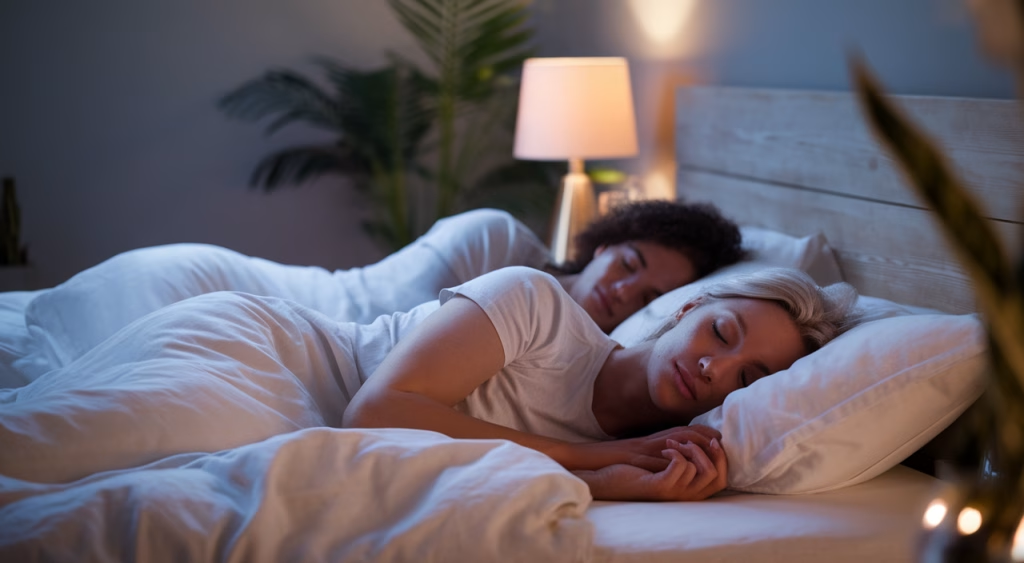
Your sleep position plays a crucial role in snoring. When you lie flat on your back, gravity pushes the tongue and soft palate back into the throat, narrowing the airway. This sleep position often leads to louder snoring.
The fix? Side-sleeping helps keep the airway open and reduces nighttime noise. If you’re not used to sleeping on your side, try using a body pillow or placing a tennis ball in a sock sewn to the back of your pajama top to discourage rolling onto your back.
Weight Management for Snoring Relief
Carrying extra weight around the neck and chest can compress your airways, making them smaller and more prone to vibration. This is one of the most overlooked natural remedies to stop snoring.
If you’re wondering how to stop snoring sustainably, start with losing even a few kilos. Research shows that dropping 5-10% of body weight can make a remarkable difference in reducing snoring frequency and volume. This is especially true for people with a larger neckline or central obesity.
Alcohol and Snoring: The Connection You Need to Know
Have you noticed that you snore more after a few drinks? You’re not alone. Alcohol relaxes the muscles in the throat, which makes your airway more likely to collapse while you sleep.
To avoid alcohol for snoring relief, we recommend stopping drinking at least 3 hours before bedtime. This buffer allows your body to metabolize the alcohol, reducing its sleep-disrupting effects.
Natural Remedies for Snoring
Good Sleep Hygiene Practices
Good sleep hygiene might sound clinical, but it simply means creating consistent, healthy sleep habits. A stable bedtime and wake-up schedule, even on weekends, trains your body to enter deeper sleep cycles, where you’re less likely to snore.
Here’s what good sleep hygiene includes:
- Consistent sleep and wake times
- Cool, dark, quiet bedroom environment
- Limiting screen time 1 hour before bed
- Relaxation techniques like deep breathing or gentle yoga
How to Open Nasal Passages Naturally
Blocked or narrow nasal passages force mouth breathing, which worsens snoring. So, how can we open nasal passages naturally?
- Steam Inhalation: Inhaling steam before bed can reduce irritation and mucus.
- Saline Nasal Rinse: A salt-water rinse clears allergens and keeps nasal linings healthy.
- Hydration: Drink enough water to prevent thick mucus buildup overnight.
Nasal strips or dilators may also help, but we’re focusing here on non-invasive snoring treatments rooted in daily habits.
Herbal and Home Remedies for Snoring

Natural remedies to stop snoring have existed for centuries. While they’re not magic bullets, these home remedies for snoring can promote clearer breathing and muscle tone with minimal side effects.
Here are some effective examples:
- Peppermint Oil: Inhalation or rubbing diluted oil around the nose can ease inflammation and nasal congestion.
- Ginger & Honey Tea: Strengthens the throat muscles and reduces vibratory noise.
- Turmeric Milk: Acts as a natural anti-inflammatory and soothes the airway before sleep.
These natural remedies work best when combined with lifestyle changes for better sleep for a more comprehensive approach.
Cost Guide: Natural vs Clinical Snoring Solutions
| Solution Type | Price Range (USD) | Recurring Cost |
|---|---|---|
| Home remedies (teas, herbs) | $5–$20/month | Low |
| Sleep position aids (pillows) | $20–$100 (one-time) | None |
| Over-the-counter nasal aids | $10–$50/month | Moderate |
| Sleep studies / medical devices | $100–$3000+ | High & variable |
Final Thoughts: Embracing a Holistic Approach to Snoring Relief
Snoring isn’t just about noise—it’s a messenger, nudging you to take a deeper look at your health and habits. Whether it’s shifting your sleep position, losing a bit of weight, practicing nasal care, or adopting herbal aids, every lifestyle tweak counts toward quieter, more restorative sleep.
The beauty of natural snoring remedies is that they start with everyday actions. They’re empowering, represent non-invasive snoring treatments, and often surprisingly effective. While not all remedies will work for everyone, exploring them brings you closer to understanding your body—and your sleep—better.
Frequently Asked Questions
How to treat snoring in kids?
For children, snoring is often caused by enlarged tonsils, allergies, or nasal congestion. Encourage them to sleep on their side, keep their sleep routine consistent, and use saline sprays for blocked noses. If snoring persists, consult a pediatrician to rule out sleep apnea or anatomical issues.
What are easy tips to reduce snoring naturally?
Start with lifestyle changes for better sleep: sleep on your side, maintain a healthy weight, avoid alcohol before bed, and keep nasal passages clear using simple home remedies for snoring like steam or saline rinses.
Can losing weight really stop snoring?
Yes. Excess weight, especially around the neck and chest area, squeezes the airway and makes snoring more likely. Losing 5-10% of your weight can significantly improve airway function and reduce snoring.
Do nasal strips help with snoring?
Nasal strips can help if nasal congestion is the primary cause of snoring. They physically lift the nasal passages to allow easier airflow. However, they may not help if snoring is due to throat muscle relaxation or weight factors.
Is snoring always a medical concern?
Not always, but chronic snoring can affect sleep quality and may be a sign of sleep apnea, which carries serious health risks. If your snoring is loud, persistent, and accompanied by daytime exhaustion, see a healthcare provider for evaluation.